When we talk about pronouns, one of the most common and versatile ones is “it”. This little word plays a big role in the English language, serving as a placeholder for a variety of nouns and ideas. Let’s explore the different ways in which “it” can be used and how it adds clarity and efficiency to our communication.
From referring to objects, animals, and concepts to expressing ideas and emotions, “it” is a handy tool in our linguistic toolbox. Whether we are talking about the weather (“It’s raining”), pointing to an object (“What is it?”), or emphasizing a point (“It is important to be kind”), “it” helps us streamline our sentences and convey meaning effectively.
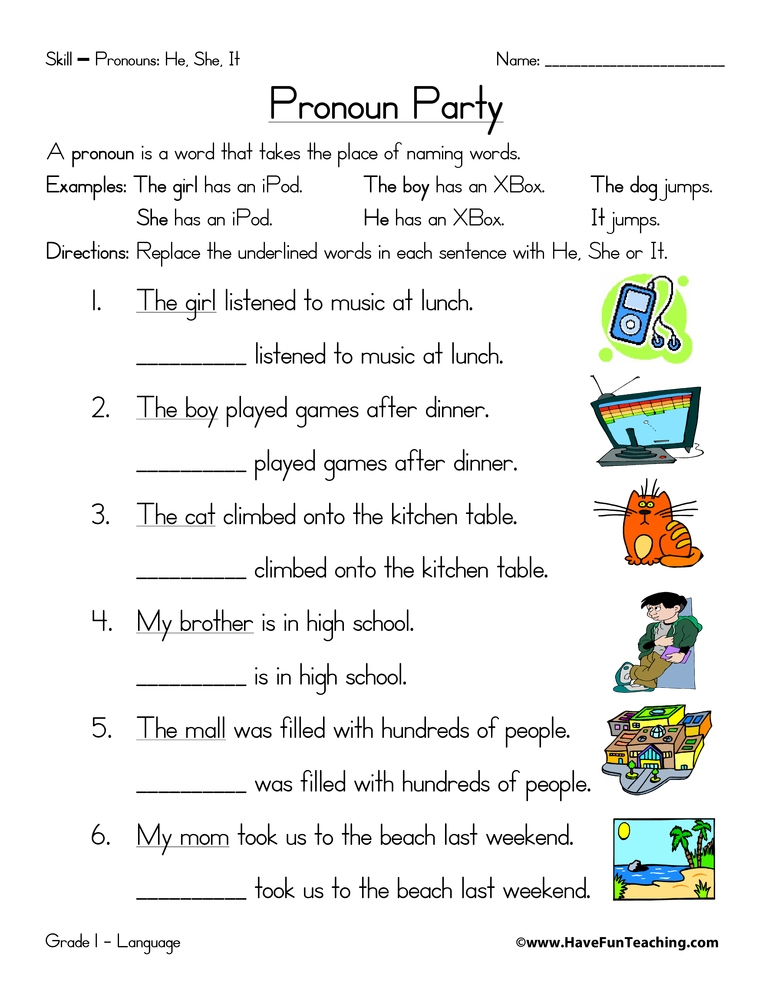
Uses of “It” as a Pronoun
One common use of “it” is to refer to something that has already been mentioned or is understood within the context of the conversation. For example, if someone asks about a book you recently read, you might say, “I finished it last night.” In this case, “it” stands in for the book without needing to repeat the noun.
Another important function of “it” is as a subject or object in a sentence. When used as a subject, “it” can introduce a new idea or topic, as in the sentence, “It was a beautiful day.” As an object, “it” can receive the action of a verb, such as in the phrase, “I found it under the bed.”
Furthermore, “it” can also be used to represent an abstract concept or placeholder for an idea that is not explicitly stated. For instance, in the sentence, “It’s never too late to start over,” “it” refers to the idea of beginning anew and emphasizes the message of hope and possibility.
In conclusion, “it” serves as a versatile pronoun that plays a crucial role in our everyday language. By using “it” effectively, we can communicate more clearly, concisely, and efficiently. So, next time you find yourself reaching for a pronoun, remember the power and flexibility of “it” in expressing your thoughts and ideas.