When it comes to the English language, pronouns play a crucial role in replacing nouns to make sentences more concise and easier to understand. One common confusion that many people face is the difference between “it” and “its.” While both are pronouns, they have distinct uses and meanings that can sometimes trip up even fluent speakers.
Let’s delve deeper into the nuances of “it” and “its” to gain a better understanding of how to use them correctly in sentences.
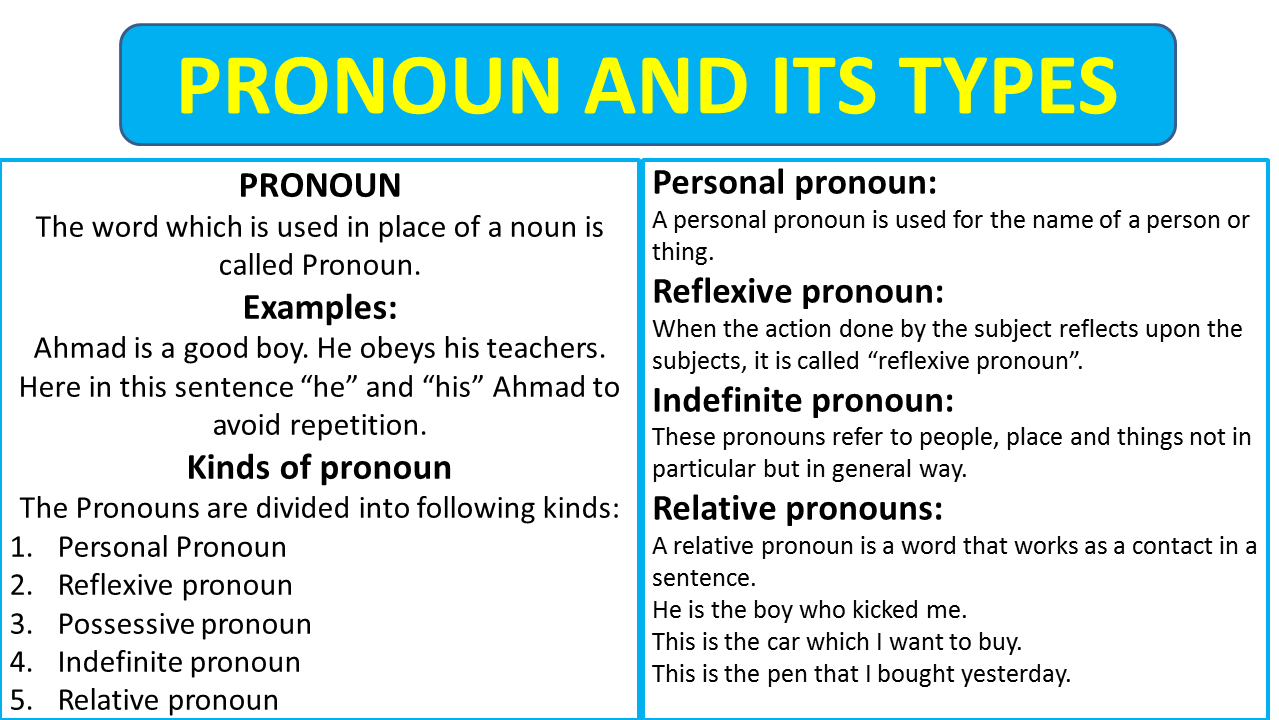
It vs Its Pronoun
Firstly, “it” is a pronoun that is used to refer to a singular noun that is not a person. For example, “The cat chased the mouse, and it caught it.” In this sentence, “it” is used to refer to the mouse, which is a singular non-human noun. “It” can also be used as a placeholder when the specific noun is known but not explicitly stated.
On the other hand, “its” is a possessive pronoun that is used to show ownership or belonging to a singular noun. For instance, “The car lost its wheel on the highway.” In this case, “its” is used to indicate that the wheel belongs to the car. “Its” is used to show possession without using an apostrophe, unlike the contraction “it’s,” which is short for “it is” or “it has.”
Understanding the distinction between “it” and “its” can help you communicate more effectively and avoid grammatical errors in your writing. By using these pronouns correctly, you can ensure that your sentences are clear and concise.
In conclusion, “it” and “its” are both important pronouns in the English language that serve specific purposes. While “it” is used to replace a singular non-human noun, “its” is used to indicate possession or belonging. By mastering the usage of these pronouns, you can enhance the clarity and precision of your writing.