Korean language is known for its unique structure and grammar, especially when it comes to verbs. Verbs in Korean play a crucial role in sentence formation and can convey various nuances depending on their conjugation and usage. Understanding Korean verbs is essential for anyone looking to master the language and communicate effectively with native speakers.
One of the most fascinating aspects of Korean verbs is their conjugation system, which is based on honorifics, politeness levels, and speech levels. This means that verbs can change their form depending on the social status of the speaker and the listener, making Korean a highly contextual language. Learning to use the right verb form in different situations is key to sounding natural and respectful in Korean.
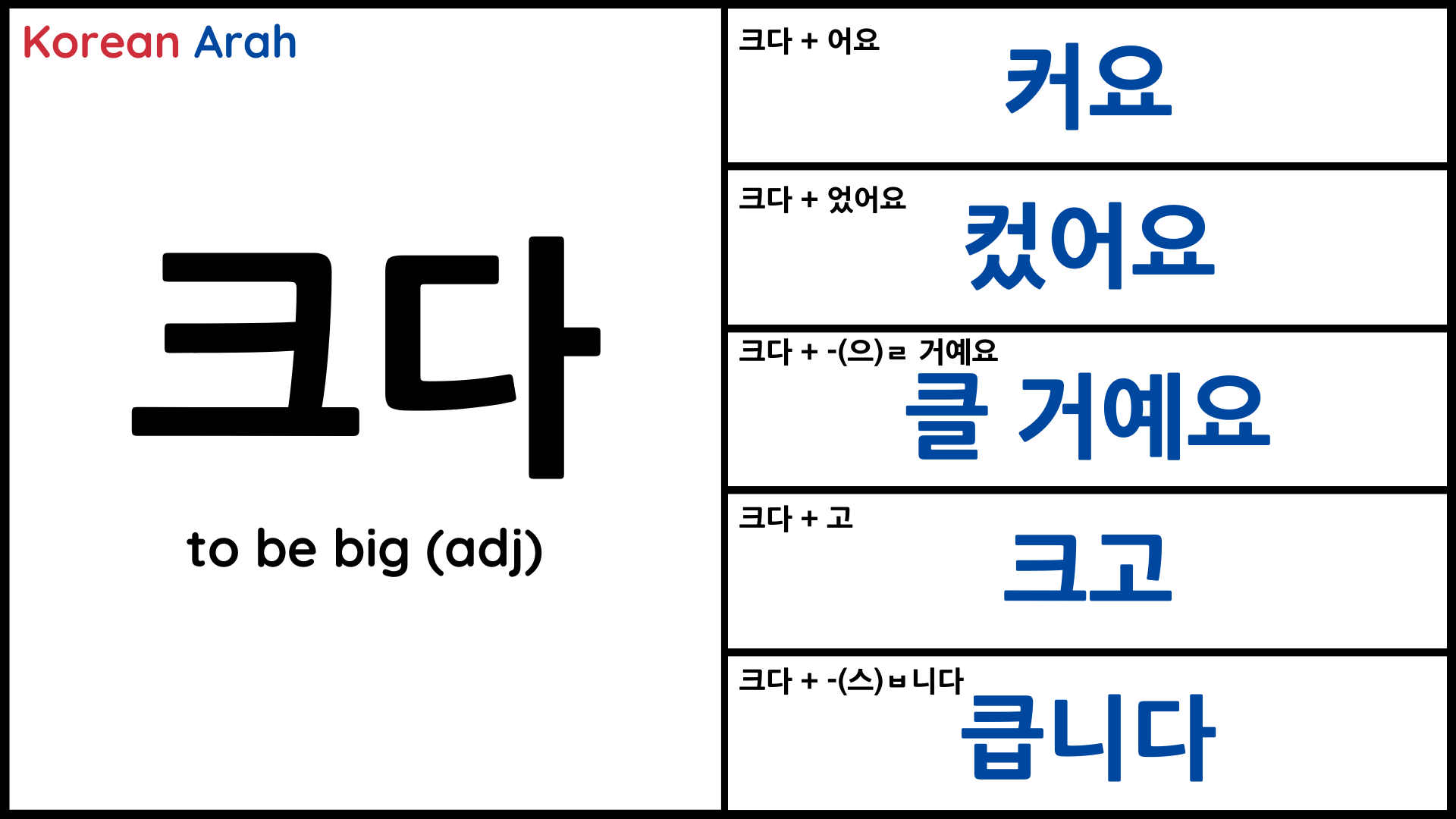
Korean Verb Conjugation
In Korean, verbs are conjugated based on tense, mood, and speech levels. There are seven basic speech levels in Korean, ranging from formal to informal, and each level has its own set of verb endings. For example, the verb “to eat” can be conjugated as “먹어 (meogeo)” in informal speech or “드세요 (deuseyo)” in formal speech. Understanding the nuances of each conjugation is vital for effective communication in Korean.
Another interesting aspect of Korean verbs is their ability to express subtle nuances such as politeness, deference, and humility. Verbs can be modified with honorific prefixes or suffixes to show respect towards someone of higher social status. For example, the verb “to do” can be transformed into “하십니다 (hasimnida)” to show respect to the listener. Mastering these honorific forms is essential for speaking Korean in a polite and appropriate manner.
Additionally, Korean verbs can be conjugated to indicate the speaker’s attitude, mood, or intention. Verbs can be modified to express certainty, doubt, desire, or obligation, allowing for precise communication of one’s thoughts and feelings. Understanding the intricacies of verb conjugation in Korean can greatly enhance one’s ability to express themselves fluently and accurately.
In conclusion, Korean verbs are a fascinating aspect of the language that plays a crucial role in communication. By mastering verb conjugation, learners can effectively convey their thoughts, emotions, and intentions in Korean. The beauty of Korean verbs lies in their versatility and ability to express a wide range of meanings with subtle nuances. As you continue to study Korean, pay close attention to verbs and their conjugations to become a more proficient speaker of this rich and expressive language.