Personal pronouns are words that are used to replace nouns in a sentence to avoid repetition. They can refer to individuals or groups of people. Understanding personal pronouns is essential in language as they help in clear communication and expression. Here is a list of personal pronouns that are commonly used in English.
First person singular pronouns refer to the speaker or writer, such as “I” and “me.” Second person singular pronouns refer to the person being spoken to, like “you.” Third person singular pronouns refer to someone or something that is being talked about, such as “he,” “she,” and “it.”
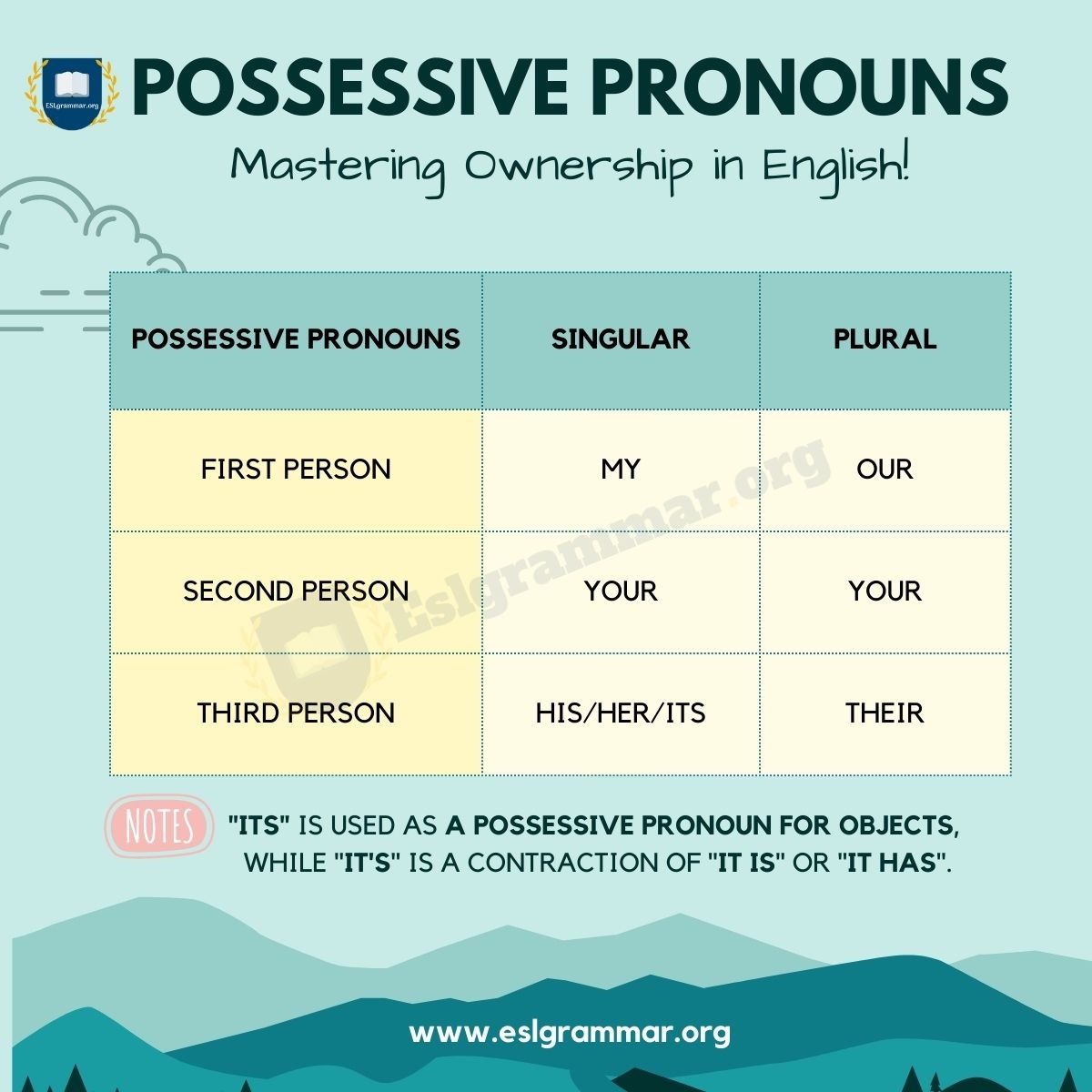
First person plural pronouns include “we” and “us,” which refer to a group that includes the speaker. Second person plural pronouns also use the word “you” but address a group of people. Third person plural pronouns refer to multiple people or things, like “they” and “them.”
Personal pronouns play a crucial role in everyday communication, whether in written or spoken form. They help in making sentences more concise and clear, avoiding repetition of nouns. Using the correct pronouns also shows respect and politeness towards others.
It is important to use the appropriate personal pronouns based on the context and the relationship between the speaker and the listener. Misusing pronouns can lead to confusion or misunderstandings. By understanding and practicing the use of personal pronouns, individuals can enhance their language skills and effectively communicate with others.
In conclusion, personal pronouns are an essential part of language that help in effective communication and expression. By knowing and utilizing the list of personal pronouns, individuals can improve their language skills and convey their thoughts and ideas accurately. Practice using personal pronouns in everyday conversations to become more proficient in language use.