Prepositions are an essential part of the English language, helping to establish relationships between words in a sentence. They are used to show the relationship between a noun or pronoun and other words in a sentence. Prepositions are crucial for conveying the meaning of a sentence and without them, the sentence would not make sense.
Understanding the correct usage of prepositions can greatly improve your English language skills and help you communicate more effectively. Let’s delve deeper into the meaning of prepositions and explore some examples to better grasp their importance in language.
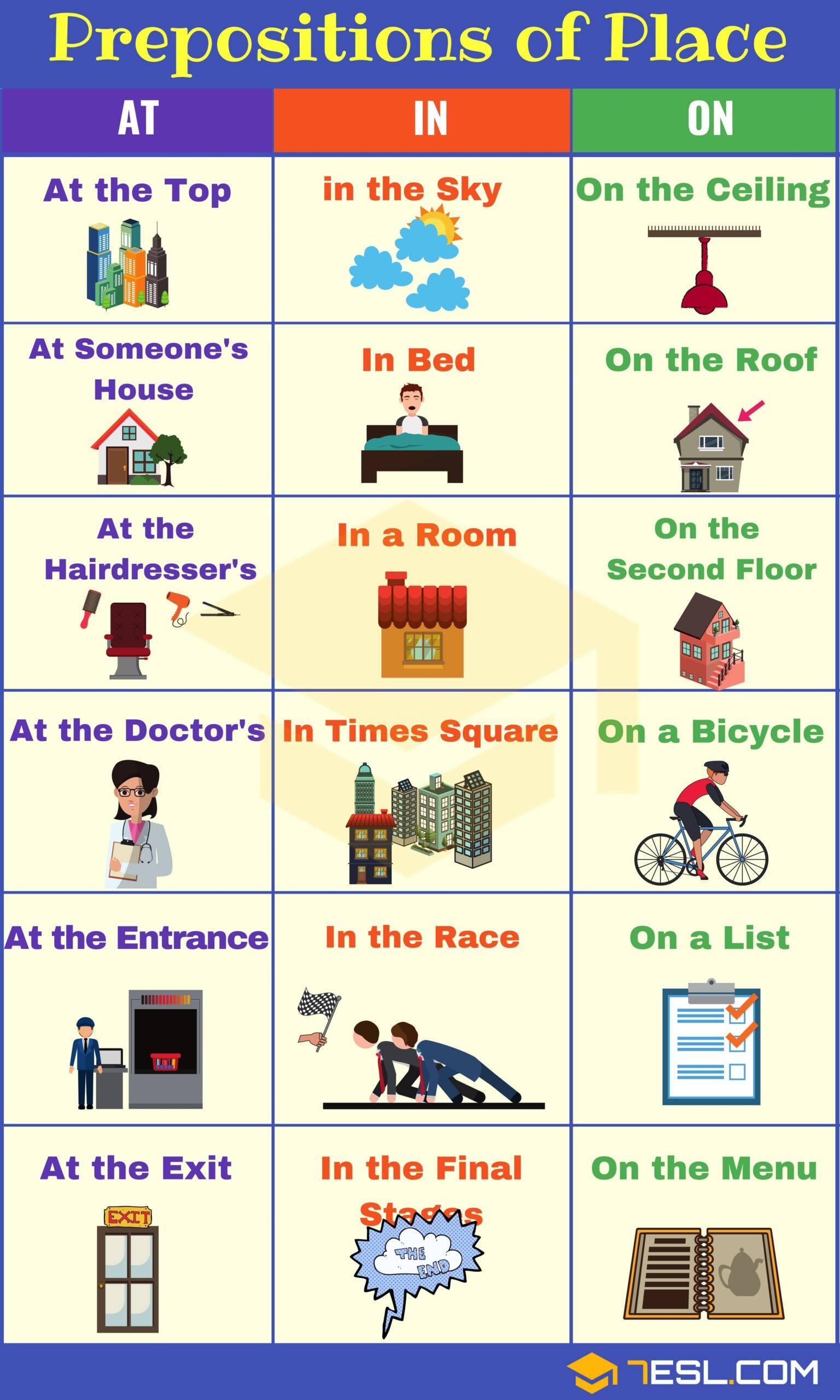
Meaning of Prepositions and Examples
Prepositions are words that indicate relationships between different elements in a sentence. They often show location, direction, time, or the relationship between two things. Some common prepositions include “in,” “on,” “at,” “by,” “for,” “to,” and “with.” Here are some examples of how prepositions are used in sentences:
1. The book is on the table.
2. She went to the store.
3. They are playing in the park.
4. The cat is hiding under the bed.
Prepositions can also be used to provide additional information about the time, place, or manner in which an action is performed. By learning to use prepositions correctly, you can make your writing more precise and clear.
It is important to note that prepositions are not always easy to master, as their usage can vary depending on the context and the specific words being used. However, with practice and exposure to various examples, you can improve your understanding and usage of prepositions in English.
Closing Thoughts
Prepositions play a crucial role in the English language, helping to establish relationships between words and convey meaning in a sentence. By understanding the meaning of prepositions and practicing their usage, you can enhance your language skills and communicate more effectively. Remember to pay attention to the context and the specific words being used when determining which preposition to use. With time and practice, you can become more confident in your ability to use prepositions correctly and improve your overall language proficiency.