Modal verbs play a crucial role in English grammar by expressing various meanings such as possibility, necessity, permission, ability, and more. These verbs help to convey the mood or attitude of the speaker towards the action being described. Understanding how to use modal verbs correctly is essential for effective communication in English.
Modal verbs are unique in that they do not have an infinitive or -ing form, and they are always followed by the base form of the main verb. Some common modal verbs include ‘can,’ ‘could,’ ‘may,’ ‘might,’ ‘shall,’ ‘should,’ ‘will,’ ‘would,’ ‘must,’ and ‘ought to.’ Each of these verbs has its own specific meaning and usage in English.
Types of Modal Verbs
Modal verbs can be divided into different categories based on their functions. For example, ‘can’ and ‘could’ are used to express ability, ‘may’ and ‘might’ are used to express possibility, ‘shall’ and ‘should’ are used to express obligation, ‘will’ and ‘would’ are used to express future intent, ‘must’ is used to express necessity, and ‘ought to’ is used to express advisability.
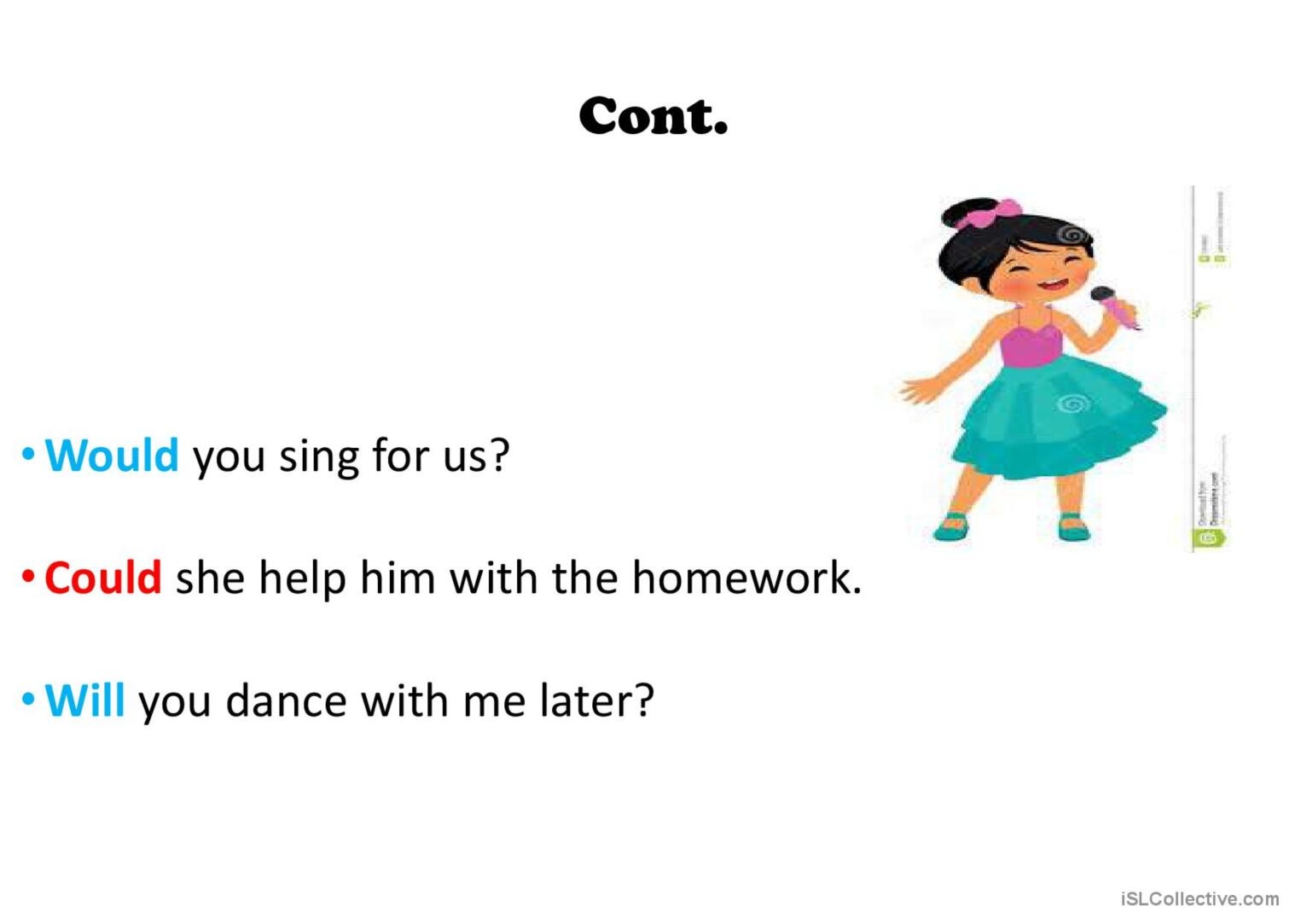
Modal verbs are also used to make requests, give permission, offer suggestions, and express preferences. For example, ‘Could you please help me with this?’ ‘You may leave early if you finish your work.’ ‘Shall we go for a walk?’ ‘Will you pass me the salt, please?’ ‘Must I attend the meeting?’ ‘You ought to apologize for your behavior.’
It is important to note that the use of modal verbs can vary depending on the context and the intended meaning. In some cases, more than one modal verb can be used to express different nuances. For example, ‘You should have asked for help’ implies regret, while ‘You must have asked for help’ implies certainty.
In conclusion, modal verbs are essential for conveying different shades of meaning in English. By mastering the use of modal verbs, learners can improve their communication skills and express themselves more effectively. Practice using modal verbs in various contexts to become more proficient in using them correctly.