Music is a universal language that transcends barriers and connects people from all walks of life. Whether you’re a musician, music enthusiast, or simply someone who enjoys listening to music, understanding music vocabulary can enhance your appreciation and knowledge of this art form.
From terms used to describe musical elements to those used to characterize genres and styles, music vocabulary encompasses a wide range of terms that can help you better understand and communicate about music.
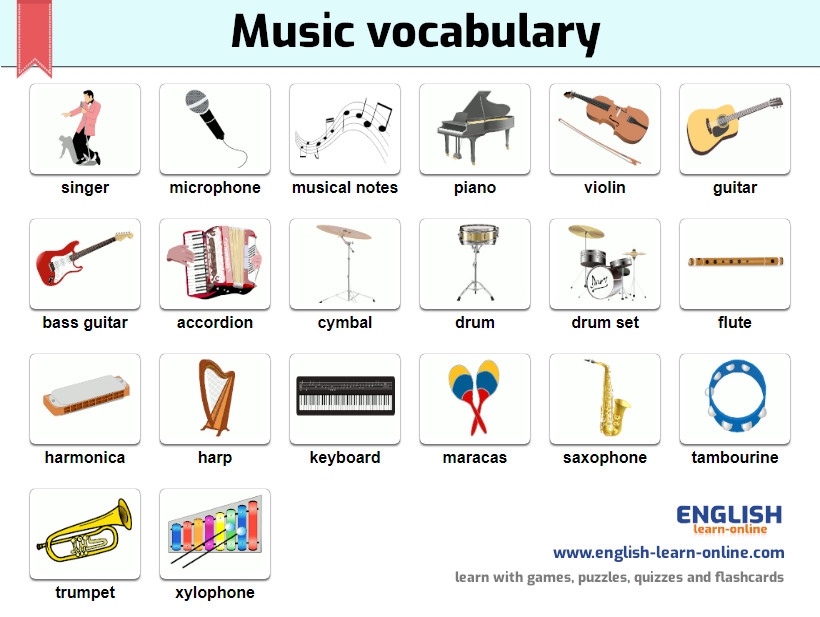
Music Vocabulary
1. Tempo: Tempo refers to the speed at which a piece of music is played. Common tempo markings include allegro (fast), andante (moderate), and adagio (slow).
2. Dynamics: Dynamics refer to the volume or intensity of music. Examples of dynamic markings include piano (soft) and forte (loud).
3. Melody: The melody is the main tune or theme of a piece of music. It is the part of the music that is most easily recognizable and memorable.
4. Harmony: Harmony refers to the combination of different musical notes played or sung together to create a pleasing sound. It adds depth and richness to music.
5. Genre: Genre categorizes music based on its style, form, and content. Examples of music genres include classical, jazz, rock, pop, and hip-hop.
Understanding these and other music vocabulary terms can help you better appreciate and analyze the music you listen to. Whether you’re discussing a piece of music with a friend or learning a new instrument, having a solid grasp of music terminology can enhance your musical experience.
In conclusion, music vocabulary plays a vital role in enhancing our understanding and appreciation of music. By familiarizing yourself with terms related to tempo, dynamics, melody, harmony, and genre, you can deepen your connection to music and communicate more effectively about it. So, next time you listen to your favorite song or attend a concert, pay attention to the music vocabulary being used and see how it enriches your musical experience.