Verbs are an essential part of the English language, as they express actions, states, or occurrences. Non-transitive verbs, also known as intransitive verbs, are a specific type of verb that do not require a direct object to complete their meaning. Understanding non-transitive verbs is crucial for mastering English grammar and communication.
Non-transitive verbs play a significant role in sentence structure by conveying actions or states that do not require an object to receive the action. These verbs can stand alone in a sentence without the need for an object to complete the meaning. Examples of non-transitive verbs include “sleep,” “laugh,” “arrive,” “die,” and “fall.” These verbs do not transfer the action to a direct object and can function independently.
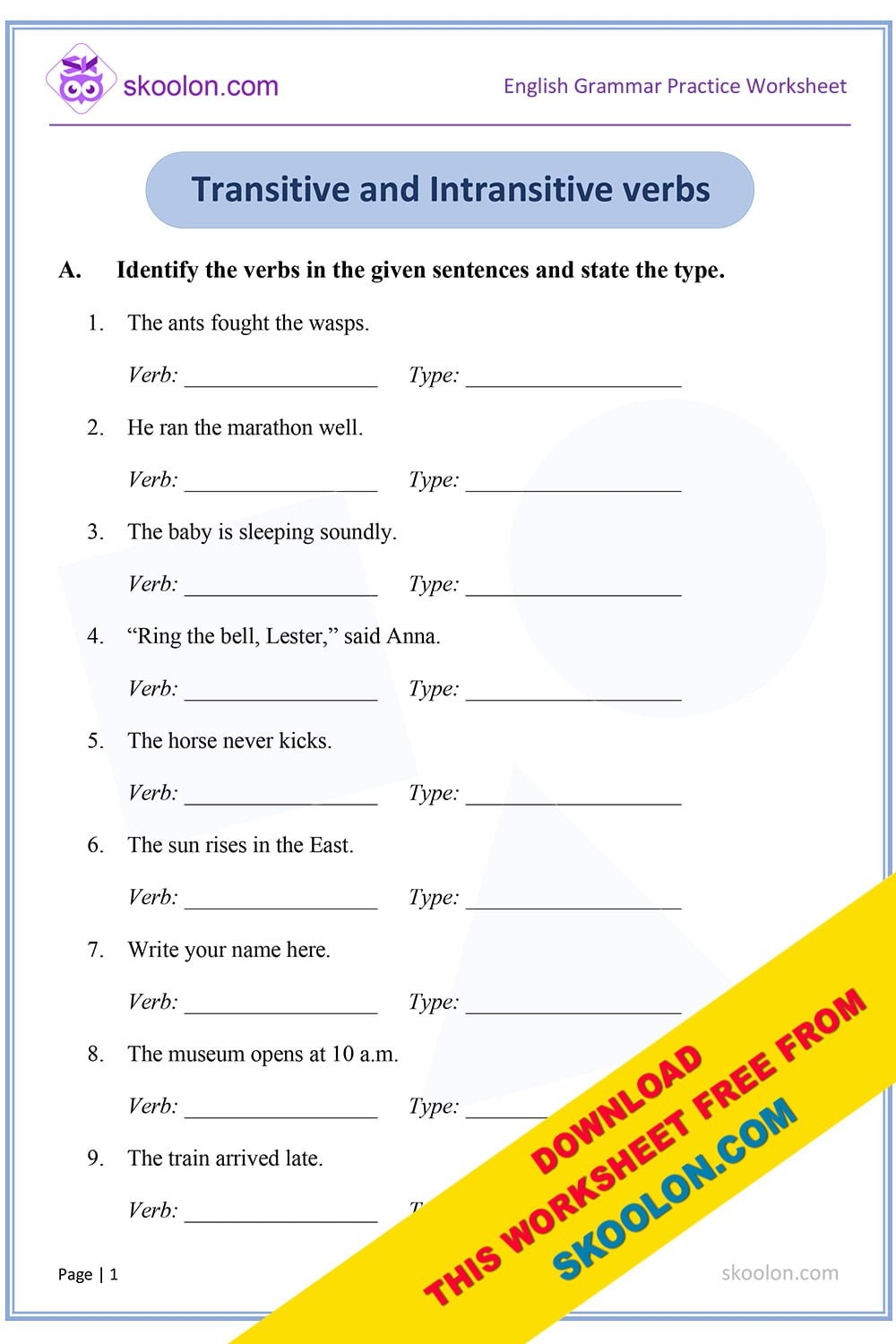
Non-Transitive Verbs
Non-transitive verbs are versatile in their usage and can be found in various contexts. They often describe actions or states that do not involve an object receiving the action. For example, the verb “sleep” in the sentence “I sleep peacefully” does not require a direct object to complete its meaning. Similarly, the verb “laugh” in “She laughs uncontrollably” does not need an object to convey the action.
Non-transitive verbs can also be used in sentences with adverbs or prepositional phrases to provide additional information or context. For instance, the verb “arrive” in the sentence “They arrived late for the meeting” is accompanied by the adverb “late” to describe the timing of the action. Non-transitive verbs allow for flexibility in sentence construction and enable speakers to convey a wide range of meanings.
It is essential to distinguish non-transitive verbs from transitive verbs, which require a direct object to complete their meaning. Understanding the differences between these two types of verbs is crucial for constructing grammatically correct sentences. Non-transitive verbs add depth and complexity to language by allowing speakers to express actions or states independently without the need for an object.
In conclusion, non-transitive verbs are a fundamental aspect of English grammar that play a vital role in sentence structure and communication. By recognizing and using non-transitive verbs effectively, speakers can convey actions and states without the need for a direct object. Mastering the use of non-transitive verbs enhances language proficiency and enables individuals to express themselves more eloquently.