When it comes to writing in English, understanding the passive verb form is crucial. This form of verb usage allows for a more sophisticated and nuanced way of expressing actions, especially when the focus is on the object rather than the subject of the sentence. By mastering the passive verb form, writers can create more varied and engaging prose.
Many people are familiar with the active voice, where the subject of the sentence performs the action. However, the passive voice shifts the focus to the object of the action, making it the subject of the sentence. This can be particularly useful when the doer of the action is unknown, unimportant, or when the writer wants to emphasize the object of the action.
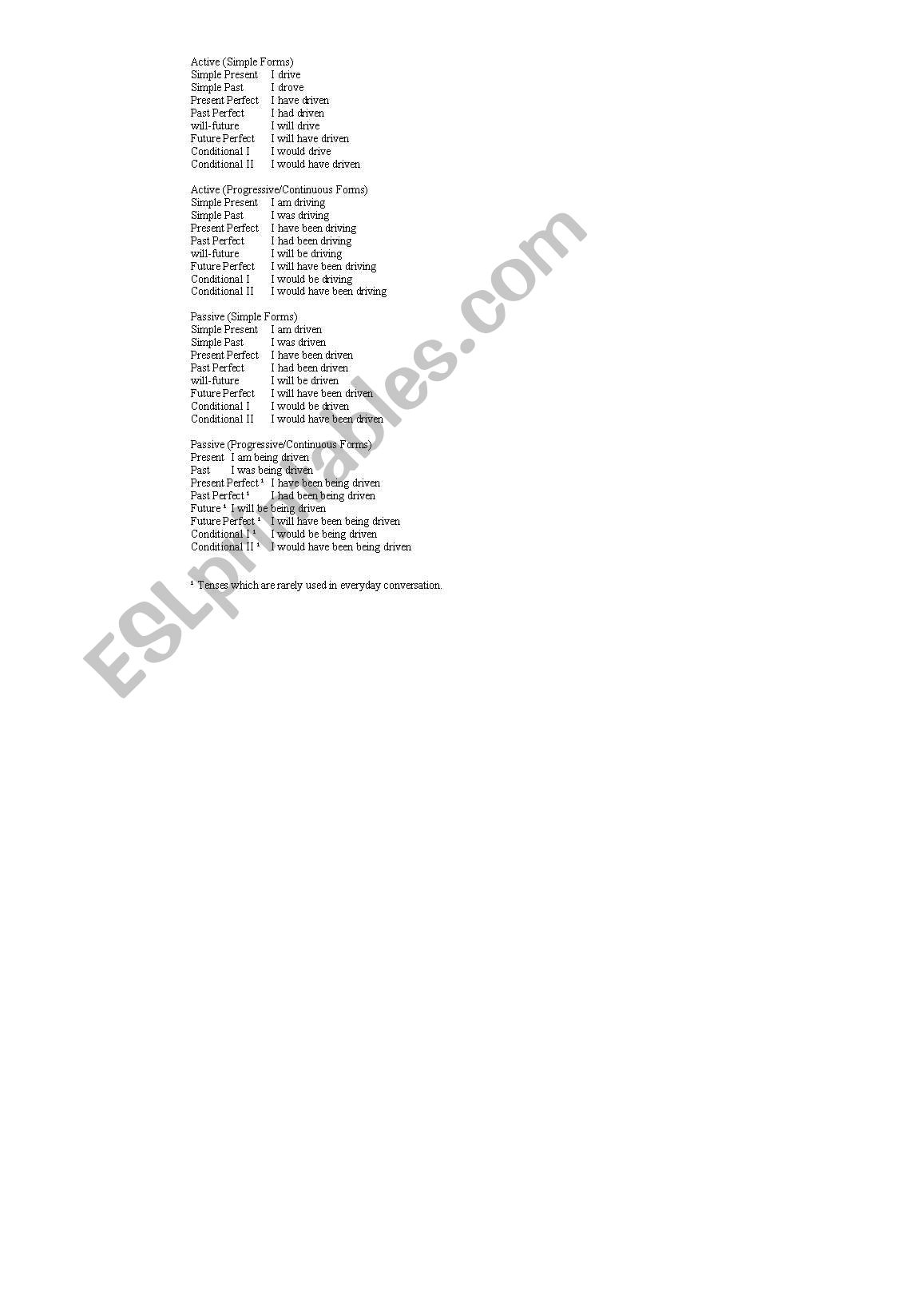
Passive Verb Form
The passive verb form is created by using a form of the verb “to be” (such as is, am, are, was, were, has been, have been, will be) followed by the past participle of the main verb. For example, “The book was written by the author” is in the passive voice, with “was written” being the passive verb form. This construction allows the object of the action (the book) to take center stage in the sentence.
One of the key advantages of using the passive verb form is that it allows for greater flexibility in sentence structure. By shifting the focus from the subject to the object, writers can vary the rhythm and flow of their sentences, creating a more dynamic and engaging reading experience for their audience. Additionally, the passive voice can be particularly useful in scientific or technical writing, where the emphasis is on the results of an action rather than the person or thing performing it.
While the passive voice can be a valuable tool in writing, it is important to use it judiciously. Overuse of the passive voice can make writing sound stilted and formal, so it is important to strike a balance between active and passive constructions. By understanding when and how to use the passive verb form effectively, writers can elevate their prose and create more compelling narratives.
In conclusion, mastering the passive verb form is an important skill for writers looking to add depth and sophistication to their work. By understanding how to construct sentences in the passive voice, writers can create a more varied and engaging writing style. Whether used sparingly for emphasis or as a deliberate stylistic choice, the passive verb form is a valuable tool in the writer’s toolkit.