When it comes to writing, understanding the difference between passive voice and active voice is crucial. Many writers struggle with knowing when to use each, and the impact it can have on their writing. In this article, we will explore the differences between passive and active voice, and provide examples to help clarify the concept.
Passive voice occurs when the subject of a sentence is acted upon by the verb. This can often lead to confusion or ambiguity in writing, as it can make the sentence less clear and direct. On the other hand, active voice occurs when the subject of a sentence performs the action of the verb. Active voice is typically clearer, more concise, and engaging for the reader.
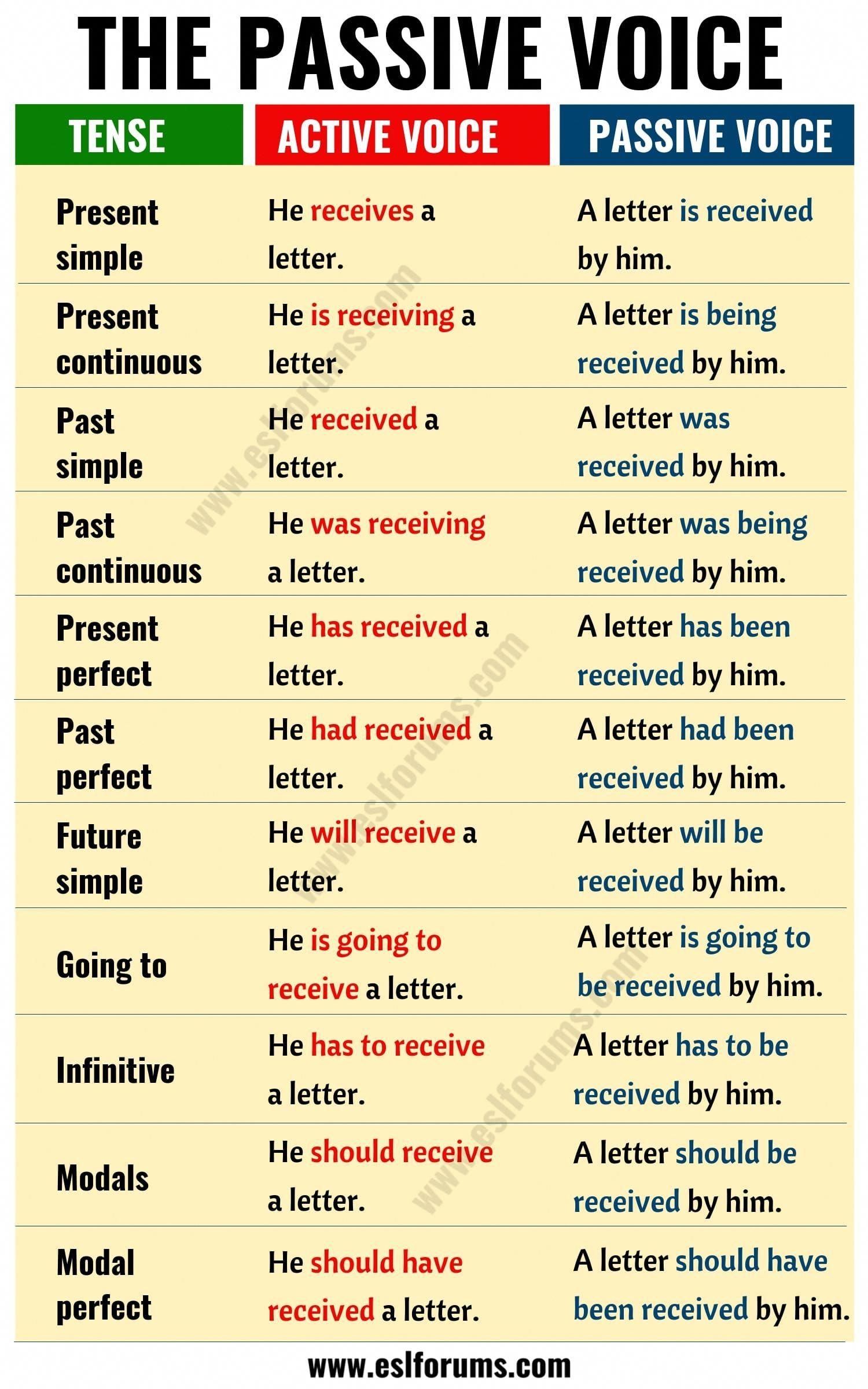
For example, consider the following sentence: “The book was read by the student.” This is an example of passive voice, as the subject (the book) is being acted upon by the verb (read). In contrast, the active voice version of this sentence would be: “The student read the book.” This sentence is more direct and engaging, making it easier for the reader to understand.
Using passive voice can also make writing seem more formal or distant, while active voice can make it more dynamic and engaging. When deciding between passive and active voice, it’s important to consider the impact you want your writing to have on the reader.
While passive voice can be appropriate in some situations, such as when the focus is on the object or when the doer of the action is unknown or unimportant, it is generally best to use active voice whenever possible. Active voice helps to create stronger, more engaging writing that is easier for the reader to follow.
In conclusion, understanding the difference between passive voice and active voice is essential for effective writing. By using active voice whenever possible, writers can create clearer, more engaging content that resonates with their audience. Remember to consider the impact and tone you want to convey in your writing, and choose the voice that best aligns with your goals.