When it comes to writing, understanding the use of passive voice is essential. Passive voice is a grammatical construction in which the subject of the sentence is the recipient of the action rather than the doer. While some may argue that active voice is more direct and engaging, passive voice has its own set of advantages in certain contexts.
Passive voice is formed by using a form of the verb “to be” along with the past participle of the main verb. For example, “The book was written by the author.” In this sentence, the book is the subject receiving the action of being written by the author. Passive voice is often used when the doer of the action is unknown, unimportant, or when the focus is on the action itself rather than the doer.
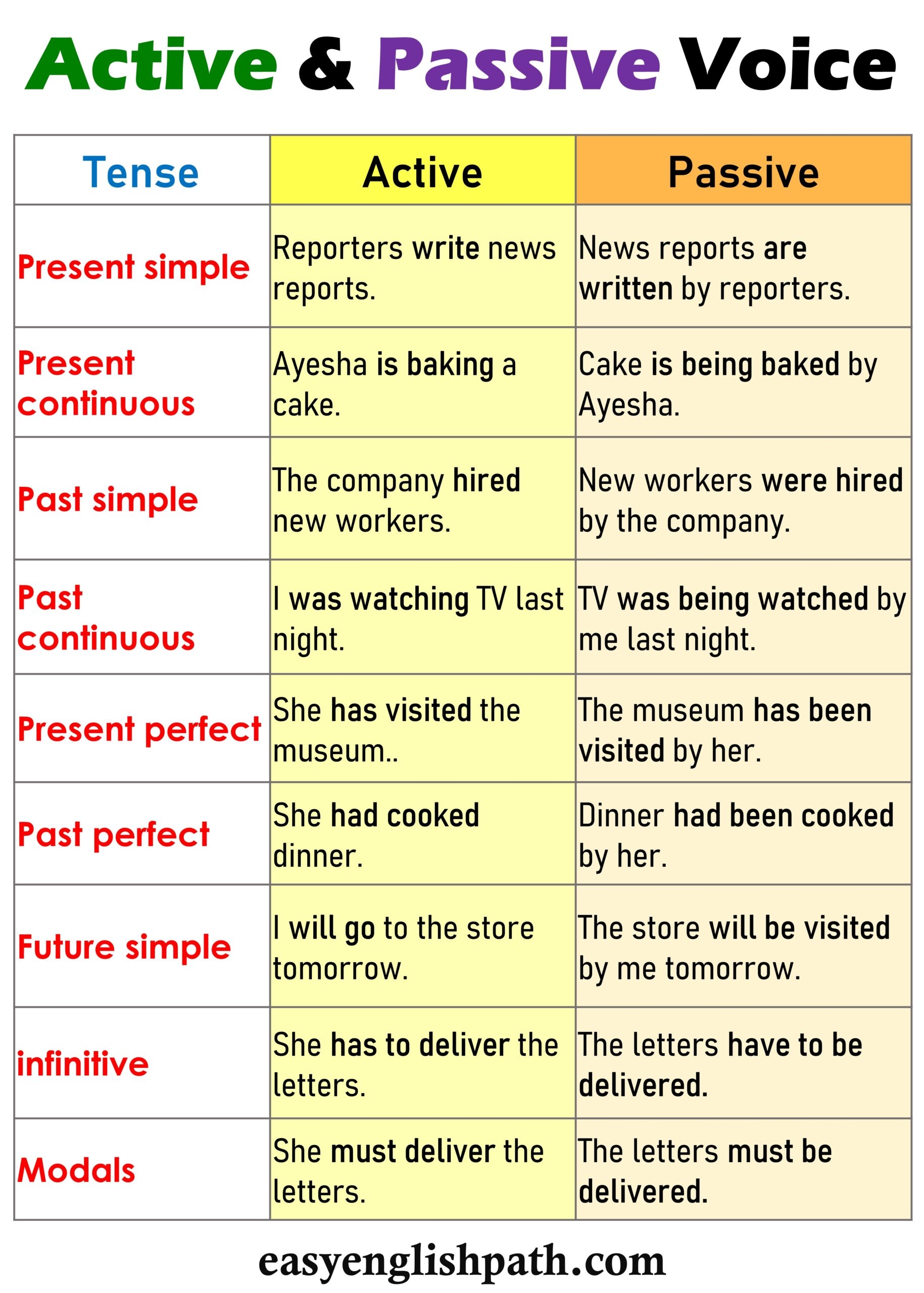
One of the main benefits of using passive voice is that it can create a sense of objectivity and formality in writing. By shifting the focus away from the doer of the action, passive voice allows the writer to emphasize the action itself. This can be particularly useful in academic or scientific writing where the focus is on the results or findings rather than the individuals involved.
Additionally, passive voice can be used to create a sense of mystery or suspense in writing. By not revealing the doer of the action right away, the writer can build anticipation and engage the reader in a more indirect way. This can be effective in storytelling or when trying to create a sense of intrigue in the reader.
However, it is important to use passive voice judiciously and consider the context in which it is being used. Overusing passive voice can lead to awkward or convoluted sentences that may confuse the reader. It is important to strike a balance between using passive and active voice to ensure clarity and readability in writing.
In conclusion, understanding passive voice and its uses is crucial for effective communication in writing. While active voice is often preferred for its directness and clarity, passive voice can be a valuable tool in certain situations. By mastering the use of passive voice, writers can enhance the impact and effectiveness of their writing.