Passive voice is a grammatical construction in which the subject of a sentence is the recipient of the action rather than the doer. This means that the focus is on the action itself, rather than the one performing the action. Passive voice is often used in formal or academic writing, as well as in situations where the doer of the action is unknown or less important.
Many people find passive voice confusing, as it can make sentences sound awkward or unclear. However, when used correctly, passive voice can be a useful tool for varying sentence structure and emphasizing different parts of a sentence. Understanding when and how to use passive voice can help improve your writing and communication skills.
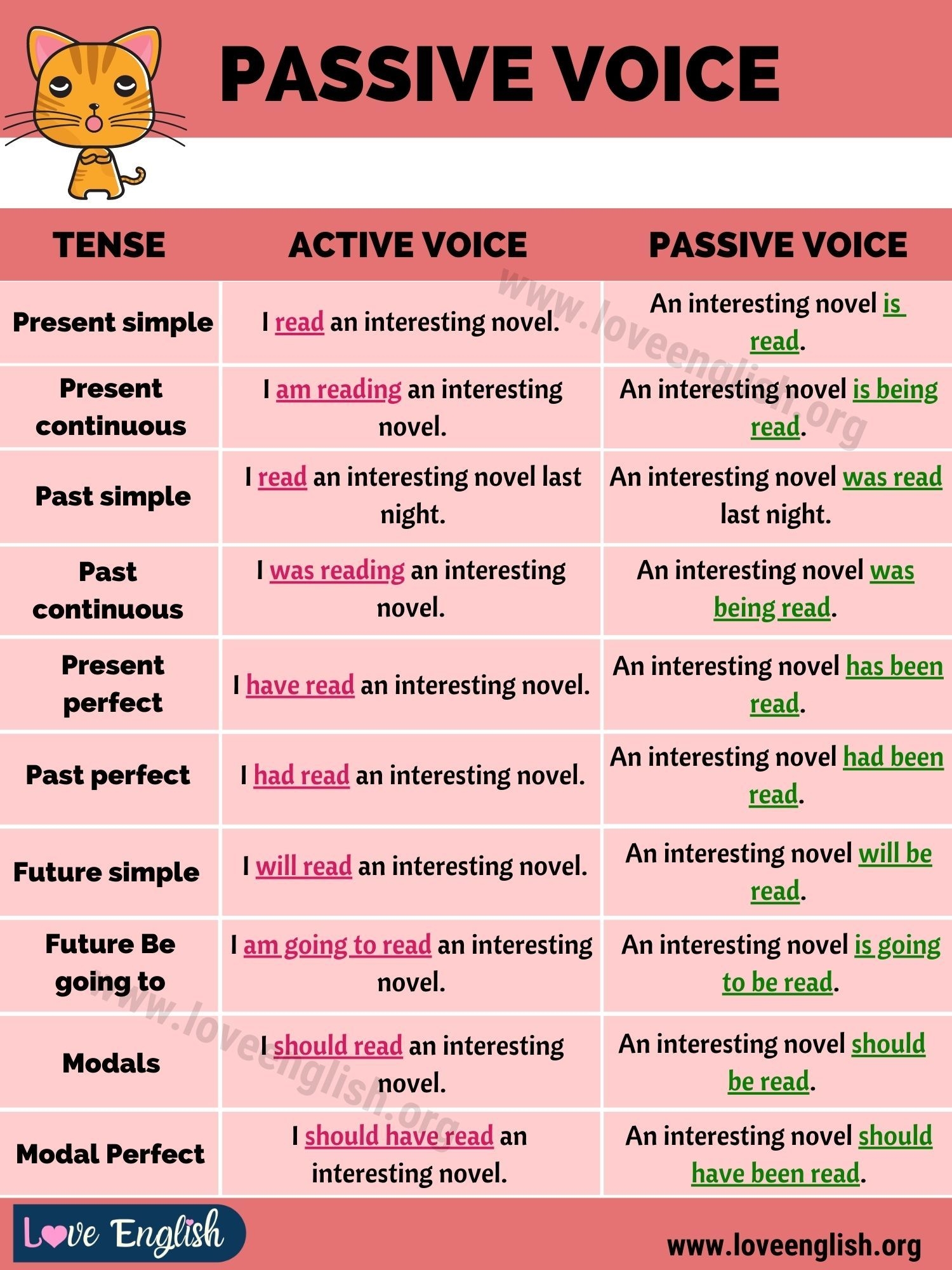
What is Passive Voice?
In passive voice, the object of the action becomes the subject of the sentence. The verb is often accompanied by a form of “to be” (such as is, am, are, was, were) and the past participle of the main verb. For example, “The cake was baked by Mary” is a passive construction, where the cake is the subject receiving the action of being baked by Mary.
Passive voice is commonly used in scientific writing, where the emphasis is on the results of an experiment rather than the person conducting the experiment. It can also be used to avoid placing blame or responsibility on a specific individual, as in “Mistakes were made” rather than “I made mistakes.”
While passive voice can be effective in certain contexts, it is important to use it judiciously. Overusing passive voice can make writing dull and unclear, so it is essential to strike a balance between active and passive constructions. By being mindful of when to use passive voice and how to structure sentences effectively, you can enhance the readability and impact of your writing.
Overall, passive voice is a valuable tool in the writer’s toolkit, allowing for greater flexibility and nuance in sentence construction. By understanding the meaning and proper usage of passive voice, you can elevate the quality of your writing and convey your message more effectively.