Understanding the difference between active and passive voice is crucial for clear and effective communication. While active voice is direct and straightforward, passive voice can sometimes be vague and confusing. Learning to identify and use passive voice correctly can greatly improve the clarity and impact of your writing.
Many people are familiar with active voice, where the subject of the sentence performs the action. For example, “The dog chased the cat.” In this sentence, the subject (the dog) is performing the action (chased) on the object (the cat). However, passive voice is when the subject of the sentence is being acted upon. For example, “The cat was chased by the dog.” In this sentence, the cat is the subject and is being chased by the dog.
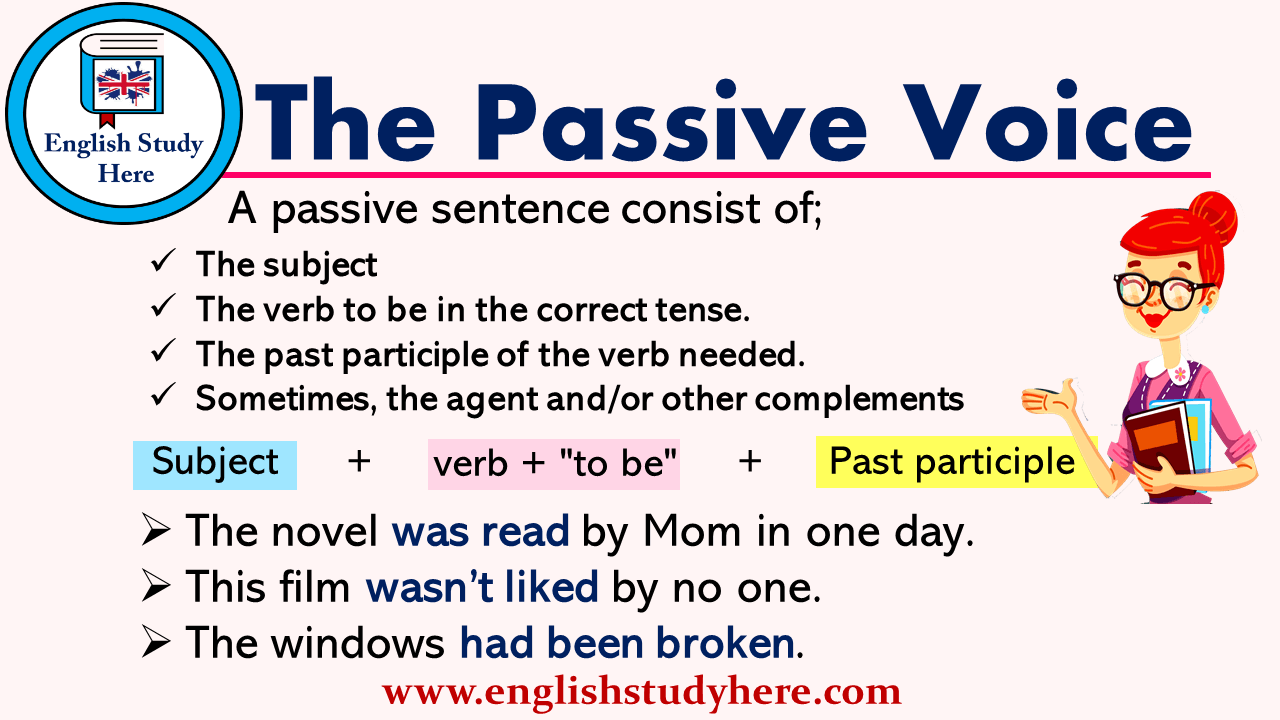
Passive Voice Means
Passive voice is often characterized by the use of a form of the verb “to be” (such as is, are, was, were) followed by the past participle of the main verb. This construction can make the sentence less direct and can sometimes obscure the doer of the action. While passive voice can be useful in certain contexts, overuse of it can make writing dull and less engaging.
One common use of passive voice is to emphasize the action rather than the doer. For example, “The report was submitted yesterday” puts the focus on the submission of the report rather than who submitted it. This can be useful when the doer of the action is unknown or unimportant. However, using passive voice too frequently can make writing seem impersonal and detached.
Another common use of passive voice is to avoid assigning blame or responsibility. For example, “Mistakes were made” is a classic example of using passive voice to deflect accountability. While passive voice can be helpful in certain situations, it is important to use it judiciously and be aware of its implications.
Overall, understanding passive voice and when to use it can greatly enhance the clarity and effectiveness of your writing. By being conscious of the differences between active and passive voice, you can ensure that your message is communicated clearly and concisely. Practice identifying and correcting passive voice in your writing to improve the impact of your words.
In conclusion, passive voice is a valuable tool in writing, but it should be used thoughtfully and strategically. By mastering the use of passive voice, you can elevate the quality of your writing and engage your readers more effectively.