Understanding the past and past perfect tenses is essential for effective communication in English. These tenses allow us to talk about events that have already happened, providing clarity and accuracy in our narratives. By mastering these tenses, we can convey the sequence of actions and events in a more coherent manner.
Whether you are writing a story, recounting a personal experience, or discussing historical events, the past and past perfect tenses play a crucial role in shaping the narrative. They help us situate events in time and make connections between different actions that have taken place in the past.
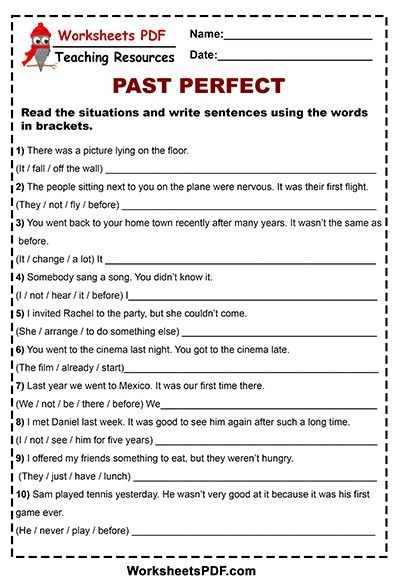
Past and Past Perfect Tenses
The past tense is used to describe actions that happened at a specific point in the past. For example, “She walked to the park yesterday.” On the other hand, the past perfect tense is used to indicate that an action was completed before another action took place. For instance, “By the time she arrived at the park, the concert had already started.”
Using the past perfect tense allows us to provide context and show the relationship between past events. It helps create a more detailed and nuanced picture of the sequence of actions, making our writing more engaging and informative. By mastering the past perfect tense, we can convey complex timelines and emphasize the chronology of events.
Furthermore, the past perfect tense is often used in conjunction with the simple past tense to provide a clear and coherent narrative structure. By combining these two tenses effectively, we can create a cohesive and compelling story that captures the reader’s attention and imagination.
In conclusion, the past and past perfect tenses are essential tools for effective communication in English. By understanding the nuances of these tenses and practicing their usage, we can improve our writing skills and convey our ideas with precision and clarity. Mastering the past and past perfect tenses opens up a world of possibilities for storytelling and expression, allowing us to craft narratives that are engaging, informative, and compelling.