As English learners, understanding verb tenses can be quite challenging. Two tenses that often cause confusion are the past perfect and present perfect tenses. These tenses are used to describe actions that have been completed or have a connection to the present. Let’s delve deeper into the differences between these two tenses.
The past perfect tense is used to describe an action that was completed before another action in the past. It is formed by using the auxiliary verb “had” followed by the past participle of the main verb. For example, “She had finished her homework before going to bed.” On the other hand, the present perfect tense is used to describe actions that have been completed at some point in the past but have a connection to the present. It is formed by using the auxiliary verb “have” or “has” followed by the past participle of the main verb. For example, “I have visited Paris several times.”
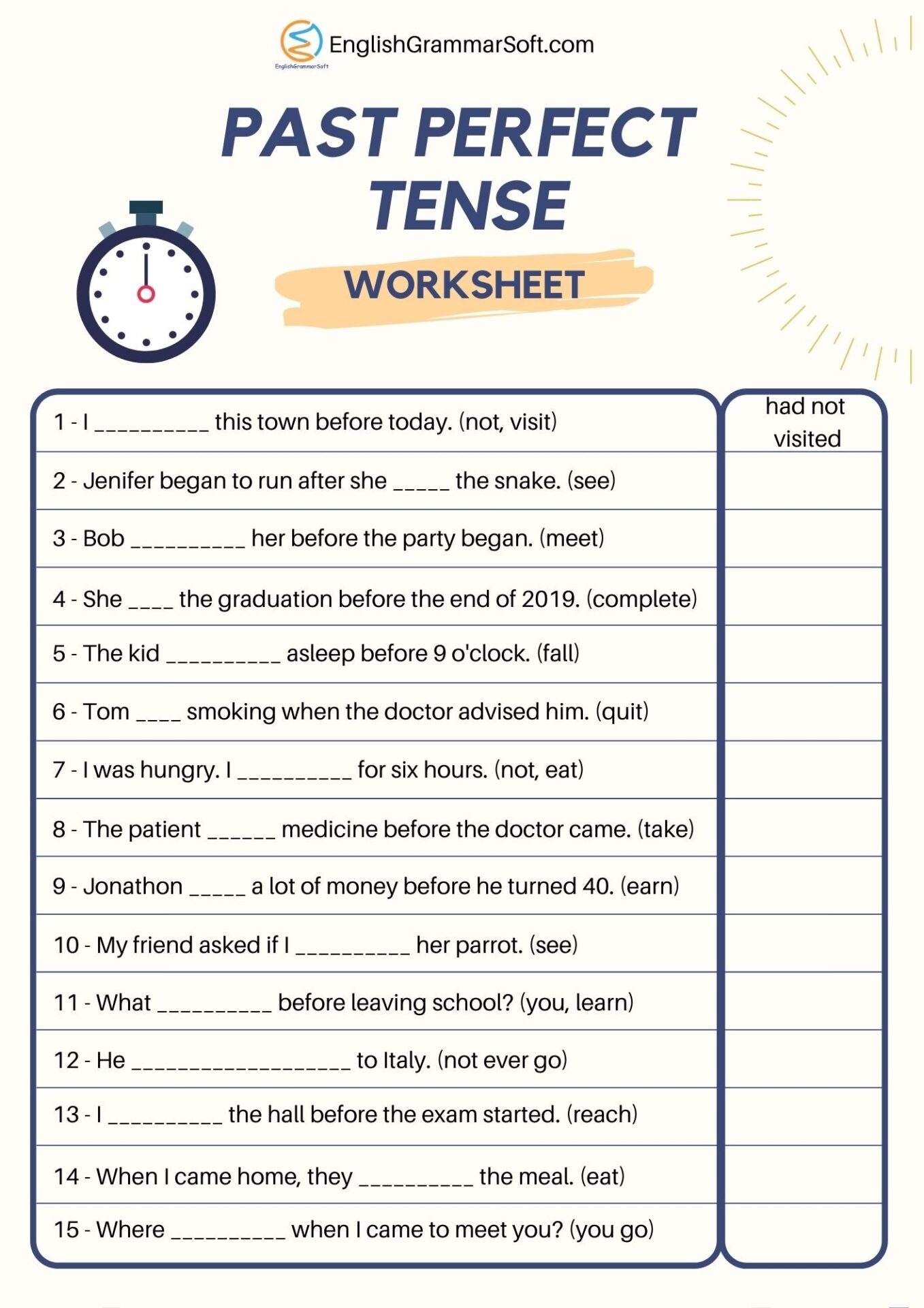
One key difference between the past perfect and present perfect tenses is the time frame they refer to. The past perfect tense refers to a specific point in the past before another action, while the present perfect tense refers to actions that have been completed at an unspecified time in the past with a connection to the present. For example, “I had already eaten dinner when she arrived” (past perfect) versus “I have seen that movie before” (present perfect).
Another important distinction between the two tenses is the use of time expressions. The past perfect tense is often accompanied by time expressions such as “before,” “after,” or “by the time,” to indicate the sequence of events. In contrast, the present perfect tense is often used with time expressions such as “already,” “yet,” or “just,” to show the link between the past and the present. For example, “She had left before I arrived” (past perfect) versus “I have already finished my work” (present perfect).
In conclusion, mastering the past perfect and present perfect tenses can greatly improve your English language skills. By understanding the subtle differences between these two tenses and practicing their usage in context, you can effectively communicate about past actions and their relevance to the present. So, keep practicing and soon you’ll be able to use these tenses with confidence!