When it comes to English grammar, understanding the difference between past perfect and past simple tenses is crucial for effective communication. These two tenses can sometimes be confusing, but once you grasp their usage, you will be able to express yourself more clearly and accurately.
Both past perfect and past simple tenses are used to talk about actions that happened in the past, but they are used in different contexts. Let’s explore the differences between these two tenses in more detail.
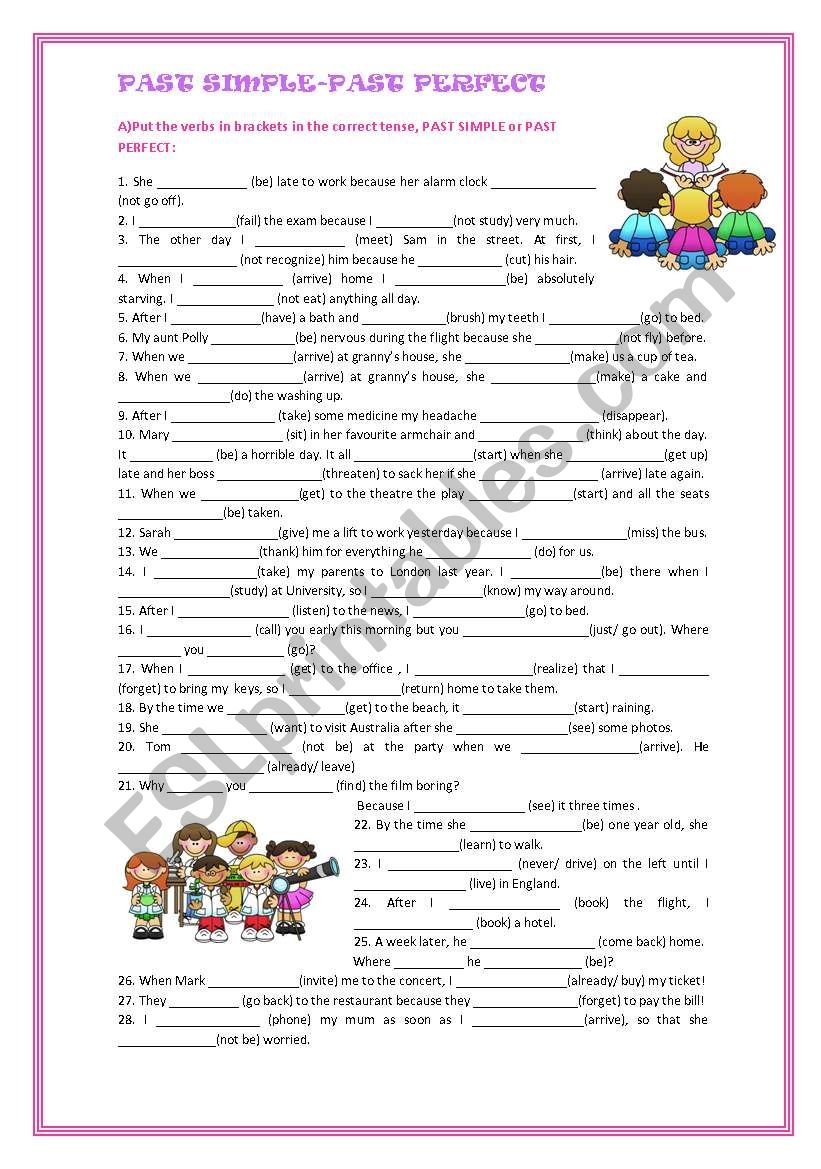
Past Perfect and Past Simple
The past simple tense is used to describe completed actions in the past. It is often used to talk about specific events that happened at a definite time in the past. For example, “She finished her homework before going to bed.”
On the other hand, the past perfect tense is used to indicate that one action happened before another action in the past. It is formed by using “had” + the past participle of the verb. For example, “By the time I arrived, they had already left.”
It is important to note that the past perfect tense is often used in conjunction with the past simple tense to show the sequence of events in the past. This helps to provide a clear timeline of when actions occurred. For example, “He had studied for hours before taking the exam, but he still didn’t do well.”
Using the correct tense can make a significant difference in the meaning of a sentence. By mastering the past perfect and past simple tenses, you can enhance your writing and speaking skills in English.
Practice using these tenses in different contexts to become more familiar with their usage. Remember that consistency is key when it comes to using past perfect and past simple tenses correctly. With practice, you will be able to confidently navigate between these two tenses in your everyday communication.
In conclusion, understanding the nuances of past perfect and past simple tenses is essential for effective communication in English. By knowing when and how to use these tenses appropriately, you can convey your thoughts and ideas more accurately. Keep practicing and incorporating these tenses into your language skills to become a more proficient English speaker.