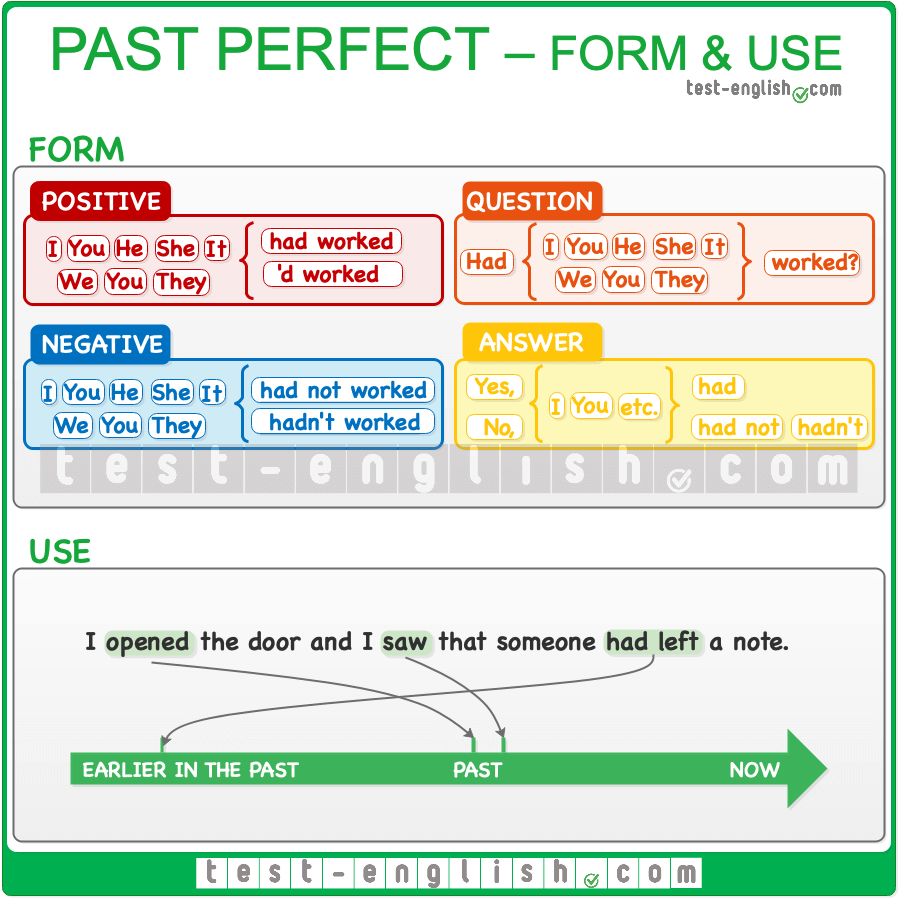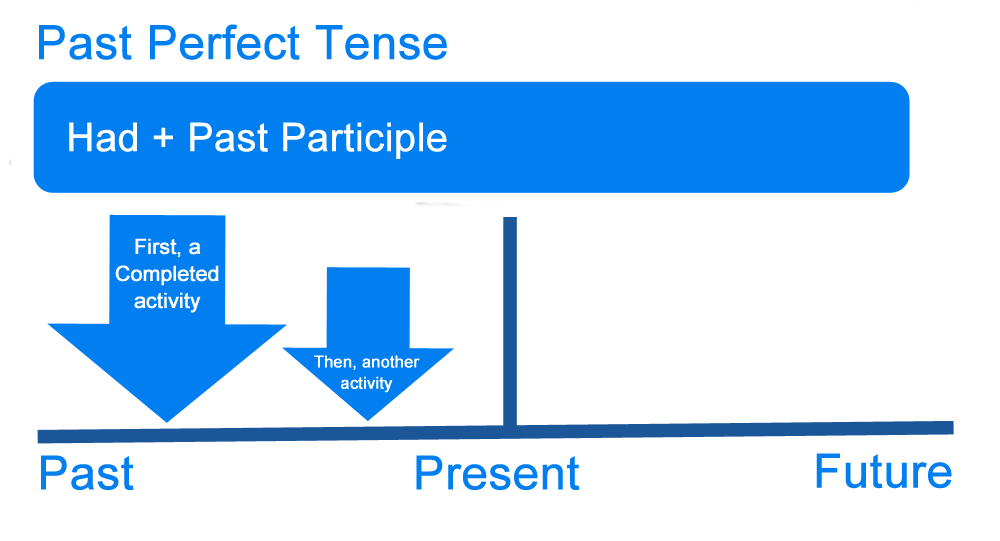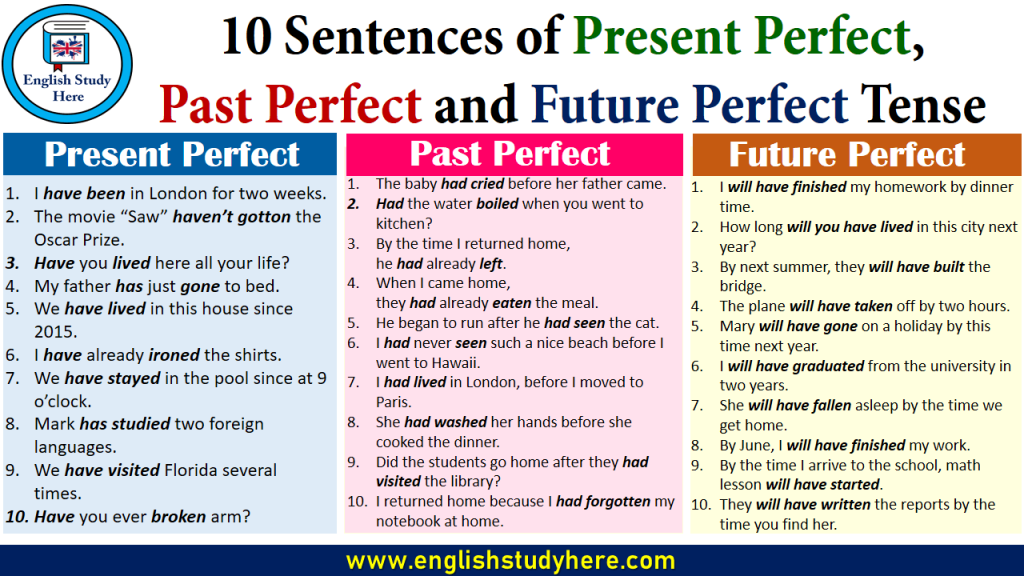
The past perfect tense is a verb form used to indicate that an action or event took place before another action in the past. It is formed by using the auxiliary verb “had” followed by the past participle of the main verb. Understanding how to use the past perfect correctly can help to clarify the sequence of events in a narrative or story.
When using the past perfect tense, it is important to remember that it is often used in conjunction with the simple past tense to show the order of events. By placing the action that occurred first in the past perfect and the action that occurred second in the simple past, you can clearly convey the timeline of events to your readers or listeners.
Past Perfect Explained
For example, consider the sentence: “By the time I arrived at the party, everyone had already left.” In this sentence, the action of leaving (everyone had left) occurred before the action of arriving (I arrived). By using the past perfect tense for the action that happened first, we can clearly see the sequence of events.
The past perfect tense can also be used to talk about hypothetical situations in the past. For instance, “If I had known you were coming, I would have baked a cake.” In this sentence, the speaker is expressing regret for not knowing about the visitor’s arrival in advance and the resulting action they would have taken.
It is important to note that the past perfect tense is not always necessary, especially when the sequence of events is clear from the context. However, using it can add clarity and detail to your writing, making it easier for your audience to follow along with the story you are telling.
In conclusion, the past perfect tense is a useful tool for expressing the sequence of events in the past and for discussing hypothetical situations. By understanding how and when to use it, you can enhance the clarity and coherence of your writing. Practice using the past perfect tense in your own writing to become more comfortable with this verb form and to improve your storytelling abilities.
Download and Print past perfect explained Listed below