In English grammar, the past perfect simple tense is used to indicate an action that was completed before another action in the past. It is formed by using the auxiliary verb “had” followed by the past participle of the main verb. Understanding how to use past perfect simple sentences correctly can greatly enhance the clarity and coherence of your writing.
When constructing past perfect simple sentences, it is essential to pay attention to the sequence of events in the past. By using this tense, you can clearly show which action occurred first and which one followed. This helps to avoid confusion and ensures that your writing flows smoothly.
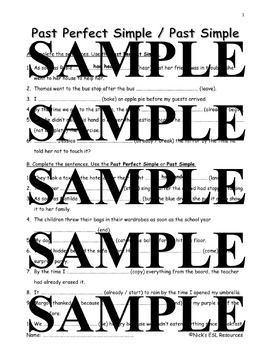
Examples of Past Perfect Simple Sentences
1. She had finished her homework before dinner was served.
2. By the time they arrived, the movie had already started.
3. He had studied for hours before taking the exam.
4. The team had won five games in a row before losing to their rivals.
5. I had never seen such a beautiful sunset before that day.
Using the past perfect simple tense can also add depth and sophistication to your writing. It allows you to provide background information and context for events that have already taken place. This can help to engage your readers and make your writing more compelling.
Furthermore, past perfect simple sentences are often used in storytelling to create suspense or anticipation. By revealing information about past events in a specific order, you can build tension and keep your audience intrigued. This technique can be especially effective in narrative writing, such as fiction or personal essays.
In conclusion, mastering the use of past perfect simple sentences is an important skill for any writer. By understanding how and when to use this tense, you can improve the clarity, coherence, and impact of your writing. Whether you are crafting a formal essay, a creative story, or a simple email, incorporating past perfect simple sentences can elevate your writing to a higher level.