In English grammar, the past perfect tense is used to indicate an action that was completed before another past action. It is formed by using the past tense of “to have” (had) followed by the past participle of the main verb. Understanding the formula for the past perfect tense can help you to communicate more effectively in your writing and speaking.
When using the past perfect tense, it is important to remember that the action being described has already been completed before another event took place in the past. This tense is often used when telling stories or recounting events that occurred in the past.
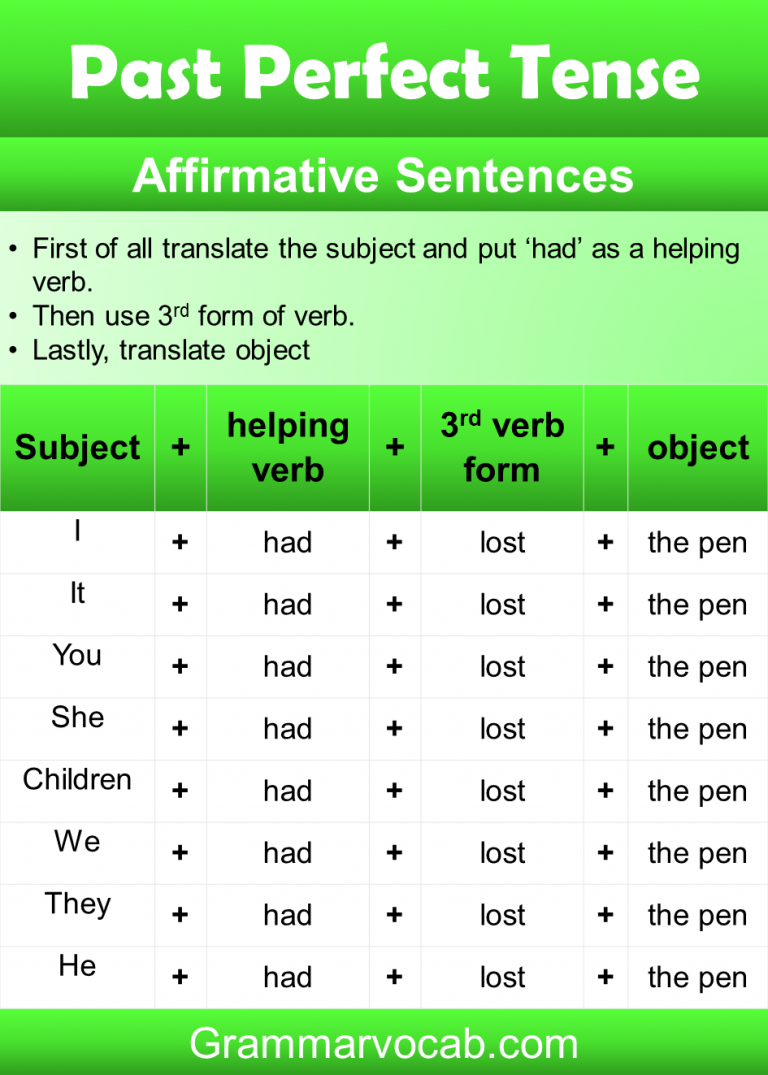
The formula for past perfect tense is:
Subject + had + past participle
For example: “She had finished her homework before dinner.”
Another example: “They had already left when I arrived at the party.”
It is important to note that the past perfect tense is typically used in conjunction with another past tense in the same sentence to indicate the sequence of events that occurred.
Additionally, the past perfect tense can also be used to talk about hypothetical situations in the past. For example: “If I had known about the meeting, I would have attended.”
Overall, mastering the past perfect tense formula can enhance your ability to express yourself clearly and accurately in English. By understanding how to form and use this tense correctly, you can improve your communication skills and make your writing more engaging for your audience.
In conclusion, the past perfect tense formula, consisting of “had” followed by the past participle of the main verb, is an essential tool for expressing actions that were completed before another past event. By practicing and incorporating this tense into your language skills, you can effectively convey the sequence of events and accurately describe past actions in your writing and speech.