In English grammar, the past perfect tense and past tense are two different forms used to describe actions that have already taken place. While both tenses refer to events in the past, they are used in different ways to convey different meanings.
Understanding the distinction between past perfect tense and past tense is important for clear and effective communication. By using the correct tense, you can accurately convey the sequence of events and provide context for your story or narrative.
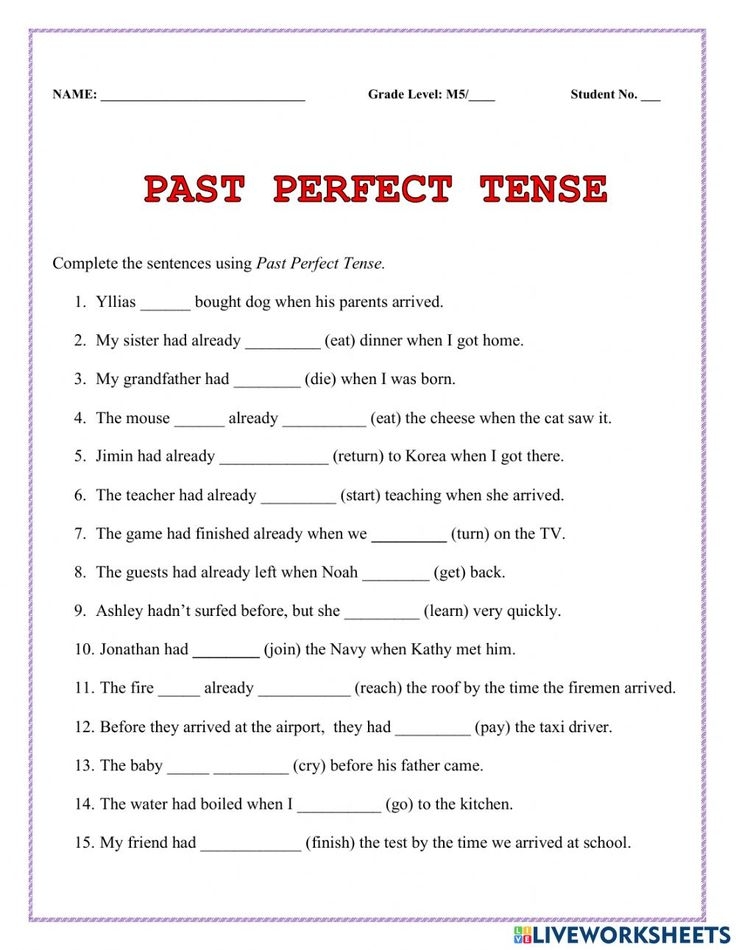
Past Perfect Tense vs Past Tense
The past tense is used to describe actions that have already happened at a specific point in time. For example, “She walked to the store yesterday.” In this sentence, “walked” is in the past tense, indicating that the action occurred in the past.
On the other hand, the past perfect tense is used to describe actions that were completed before another past action. It is formed by using the auxiliary verb “had” followed by the past participle of the main verb. For example, “She had already eaten dinner before he arrived.” In this sentence, “had eaten” is in the past perfect tense, indicating that the action of eating dinner was completed before the arrival of the other person.
Using the past perfect tense allows for a clearer indication of the sequence of events in a narrative. It emphasizes the completion of one action before another action in the past, providing a more detailed and nuanced description of past events.
In contrast, the past tense is more straightforward and is used to simply describe actions that occurred in the past without necessarily emphasizing the sequence of events. Both tenses have their own unique purposes and are used in different contexts depending on the desired effect.
Overall, mastering the use of past perfect tense and past tense is essential for effective communication in English. By understanding the nuances of each tense and knowing when to use them, you can convey your ideas and stories with clarity and precision.
So, next time you sit down to write a story or recount an event, remember the difference between past perfect tense and past tense, and choose the appropriate tense to accurately convey the sequence of events in your narrative.