Understanding past perfect tenses is essential for communicating effectively in English. This tense is used to indicate an action that was completed before another action took place in the past. By mastering the past perfect tense, you can accurately convey the sequence of events and add depth to your storytelling.
When using past perfect tenses, it is important to remember that this tense is formed by combining “had” with the past participle of the verb. For example, “She had finished her homework before going to bed.” This structure helps to clearly establish the order of events in the past.
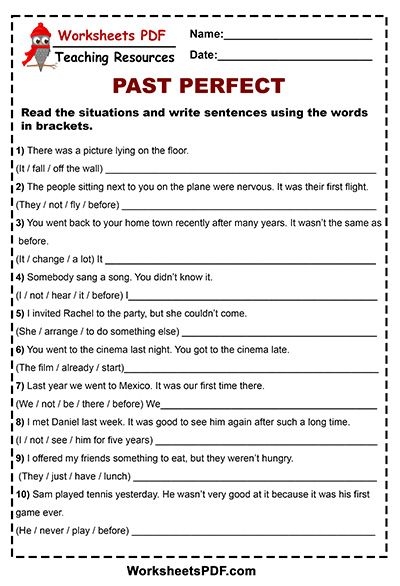
Past Perfect Tenses
The past perfect tense is commonly used in situations where two actions occurred in the past, and one action was completed before the other. By using the past perfect tense, you can show which action happened first and provide context for the sequence of events. For example, “I had already eaten breakfast when she arrived.”
Furthermore, the past perfect tense is also used in reported speech to indicate that the reported action occurred before the reporting action. For instance, “He said he had already seen the movie.” This usage helps to maintain clarity and accuracy in conveying information about past events.
Additionally, past perfect tenses are often used in storytelling to create a sense of continuity and coherence. By using this tense, you can connect different events in the past and establish a coherent timeline for the reader or listener. This can help to engage the audience and make your narrative more compelling.
In conclusion, mastering past perfect tenses is crucial for effective communication in English. By understanding how to use this tense correctly, you can convey the sequence of events in the past with clarity and precision. Whether you are sharing a personal anecdote, reporting on past events, or crafting a fictional story, the past perfect tense can enhance the richness and depth of your language. So, practice using past perfect tenses in your writing and speaking to improve your English language skills and make your communication more engaging.