In English grammar, the use of past perfect and present perfect can be confusing for many learners. Both tenses deal with actions that have taken place in the past, but there are subtle differences between the two. Understanding when to use each tense is crucial for effective communication.
Let’s delve into the nuances of past perfect and present perfect to gain a better grasp of their usage and significance in the English language.
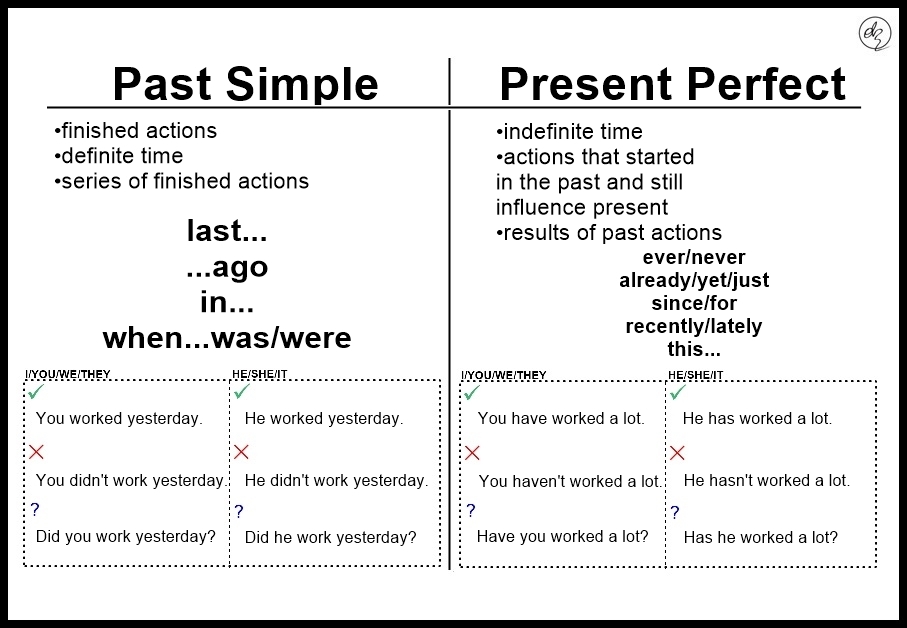
Past Perfect vs Present Perfect
The past perfect tense is used to describe an action that happened before another action in the past. It is formed by using the auxiliary verb “had” followed by the past participle of the main verb. For example, “She had finished her homework before going to bed.” In this sentence, the action of finishing homework (past perfect) occurred before the action of going to bed (simple past).
On the other hand, the present perfect tense is used to describe an action that was completed at some point in the past but has relevance to the present moment. It is formed by using the auxiliary verb “have” or “has” followed by the past participle of the main verb. For example, “I have visited Paris several times.” In this sentence, the action of visiting Paris (present perfect) is connected to the present moment, indicating a past experience that is still relevant.
One key distinction between the two tenses is their temporal relationship to the present. While the past perfect focuses on the past relative to a specific point in time, the present perfect emphasizes the connection between past actions and the present moment.
Additionally, the past perfect is often used in conjunction with other past tenses to establish a clear sequence of events, whereas the present perfect is more commonly used to express experiences or actions that have occurred at unspecified times in the past.
Ultimately, mastering the nuances of past perfect and present perfect can enhance your ability to communicate effectively in English, allowing you to convey the precise timing and relevance of past actions in various contexts.
In conclusion, understanding the differences between past perfect and present perfect is essential for mastering the intricacies of English grammar. By recognizing when to use each tense appropriately, you can improve your language proficiency and convey your ideas with clarity and precision.