When it comes to writing or speaking in English, understanding the different tenses is crucial for conveying the correct meaning. Two commonly used tenses are past tense and past perfect tense. These two tenses play a significant role in expressing actions or events that have already occurred in the past.
It is essential to know the distinction between past tense and past perfect tense to communicate effectively. Both tenses serve different purposes and are used in different contexts.
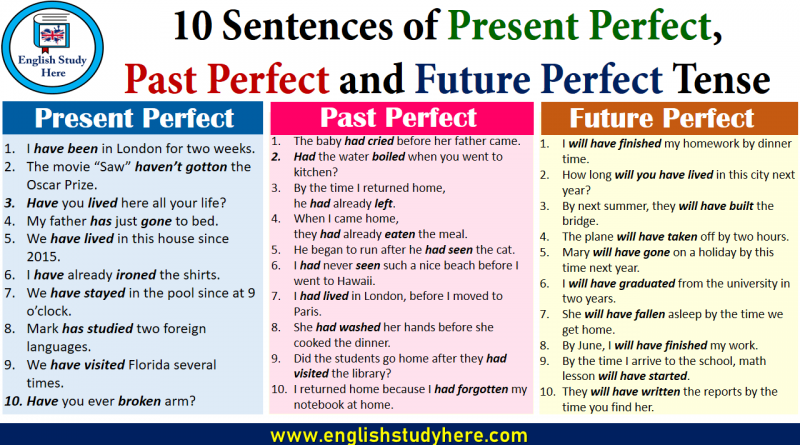
Past Tense and Past Perfect Tense
Past tense is used to describe actions or events that have already happened in the past. It is formed by adding ‘-ed’ to regular verbs or using irregular verb forms. For example, “She walked to the store” or “They played soccer yesterday.”
On the other hand, past perfect tense is used to indicate that one action happened before another action in the past. It is formed by using ‘had’ followed by the past participle of the verb. For example, “She had already eaten breakfast before she went to work” or “They had finished their homework before the teacher arrived.”
Understanding when to use past tense and past perfect tense can significantly improve the clarity and accuracy of your writing or speaking. By mastering these tenses, you can effectively convey the sequence of events and the relationships between them.
Overall, past tense and past perfect tense are essential components of English grammar that allow us to communicate about past events with precision and accuracy. By mastering these tenses, you can enhance your language skills and effectively express yourself in various contexts.
In conclusion, past tense and past perfect tense are crucial tools for expressing past actions and events accurately. By understanding the differences between these tenses and practicing their usage, you can improve your writing and communication skills in English.