Understanding the nuances between past tense and perfect tense is essential in mastering the English language. Both tenses are used to indicate actions that have already taken place, but there are subtle differences in their usage that can impact the meaning of a sentence. By grasping the distinctions between these two tenses, you can enhance your writing and communication skills.
When learning English grammar, one of the first concepts that students encounter is the difference between past tense and perfect tense. These two tenses are often confused due to their similar functions, but they serve distinct purposes in conveying the timing and completion of actions. By delving into the specifics of each tense, you can gain a better understanding of how to use them effectively in your writing.
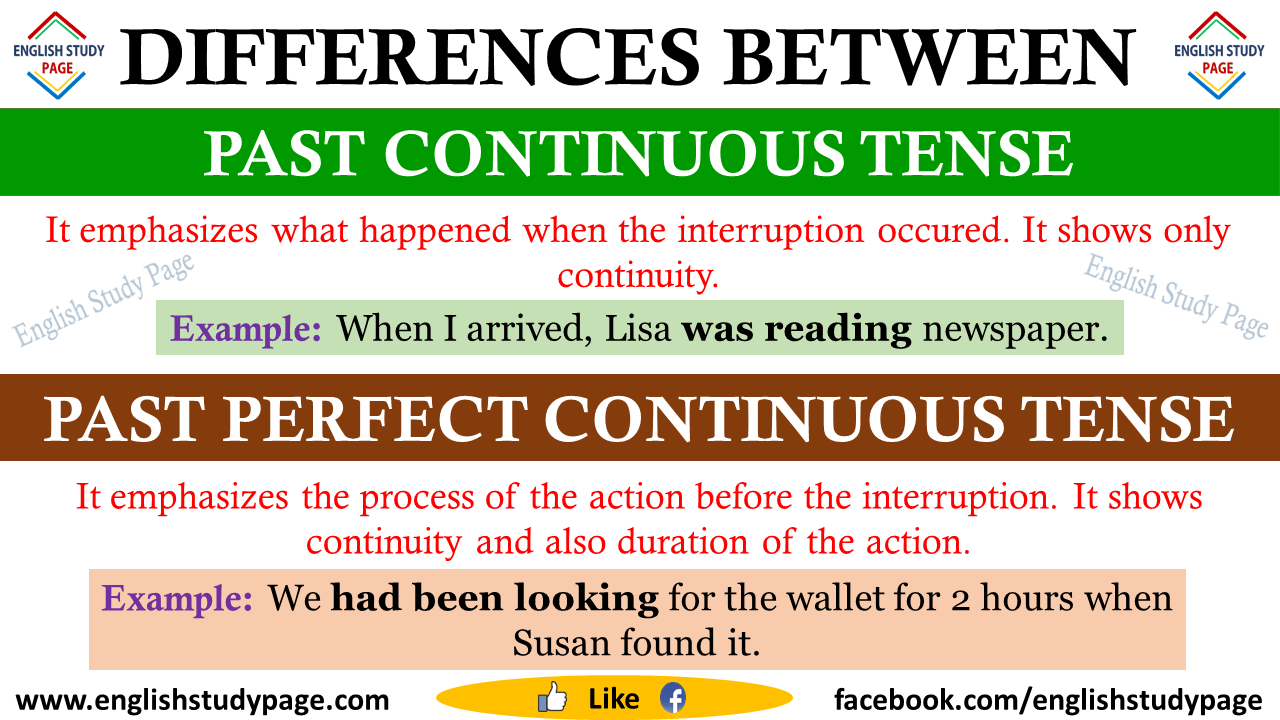
Past Tense vs. Perfect Tense
The past tense is used to describe actions that have already been completed in the past. For example, “She walked to the store yesterday.” In this sentence, the action of walking to the store occurred in the past and is expressed using the simple past tense. On the other hand, the perfect tense is used to indicate actions that were completed at a specific point in time or before another action. For instance, “She has walked to the store before.” Here, the perfect tense is used to convey that the action of walking to the store was completed before another event.
Another key distinction between past tense and perfect tense is the use of auxiliary verbs. In the past tense, the auxiliary verb “did” is often used to form questions and negative statements. For example, “Did you eat breakfast this morning?” In contrast, the perfect tense uses auxiliary verbs such as “has” or “have” to indicate the completion of an action. For instance, “She has finished her homework.” By paying attention to the auxiliary verbs used in each tense, you can accurately convey the timing and completion of actions in your writing.
It is important to note that mastering past tense and perfect tense requires practice and attention to detail. By understanding the differences between these two tenses and practicing their usage in sentences, you can improve your language skills and communicate more effectively. Whether you are writing an essay, a story, or simply engaging in conversation, a strong grasp of past tense and perfect tense will enhance your ability to express yourself clearly and accurately.
In conclusion, the distinction between past tense and perfect tense lies in the timing and completion of actions. While both tenses are used to describe past events, the perfect tense emphasizes the completion of an action at a specific point in time. By familiarizing yourself with the nuances of past tense and perfect tense, you can elevate your writing and communication skills to new heights.