When it comes to English grammar, understanding the past tense past perfect can be crucial in conveying the correct sequence of events. This tense allows us to show that an action was completed before another action took place in the past. By mastering the past tense past perfect, we can enhance the clarity and accuracy of our communication.
Many people often confuse the past tense and past perfect tense, but they serve different purposes. While the past tense simply refers to actions that happened in the past, the past perfect tense is used to indicate that one action was completed before another action in the past. This distinction is important in creating a clear timeline of events in writing and conversation.
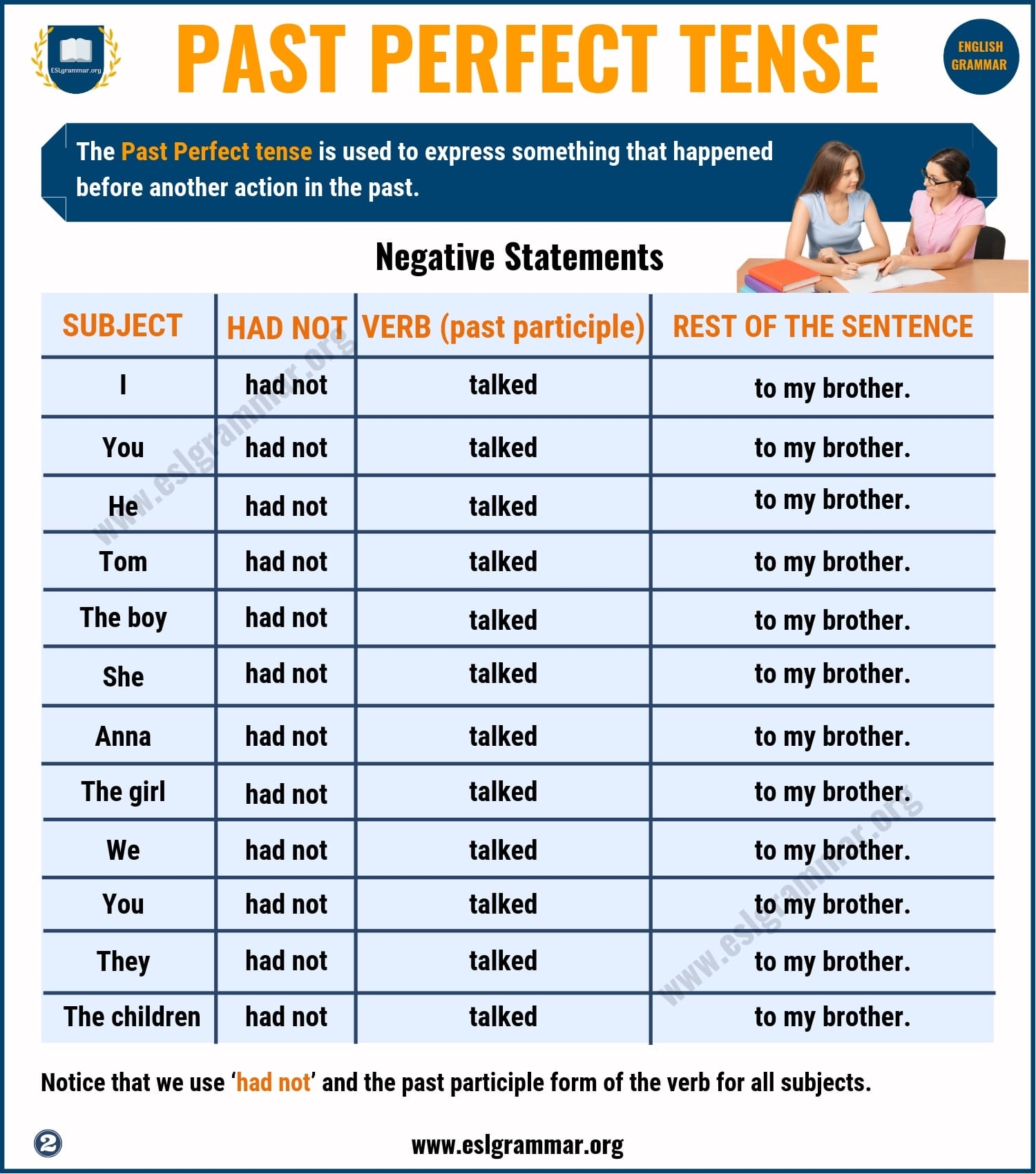
Past Tense Past Perfect
One of the key uses of the past perfect tense is in storytelling. By using this tense, we can establish the chronological order of events and provide context for the actions that occurred. For example, “By the time I arrived, they had already eaten dinner” clearly shows that the dinner had been eaten before the speaker arrived. This helps to avoid confusion and ensure that the listener or reader understands the sequence of events.
Another common application of the past tense past perfect is in describing cause and effect relationships. For instance, “She had studied hard, so she passed the exam with flying colors” demonstrates that the studying happened before the exam and directly contributed to the positive outcome. This tense allows us to highlight the connections between different events and actions.
Furthermore, the past perfect tense is often used in hypothetical situations to talk about imagined past events. By using this tense, we can create scenarios that did not actually happen but are being discussed as if they did. This can add depth and complexity to storytelling and conversation, allowing us to explore different possibilities and outcomes.
In conclusion, mastering the past tense past perfect is essential for clear and effective communication in English. By understanding how and when to use this tense, we can convey the sequence of events accurately, highlight cause and effect relationships, and create engaging narratives. So, next time you’re writing or speaking in English, remember to consider the past tense past perfect to enhance the clarity and impact of your message.