Understanding the difference between perfect and simple tense is essential for anyone learning English grammar. These two tenses have distinct uses and can greatly impact the meaning of a sentence. By mastering these concepts, you can improve your writing and communication skills.
Simple tense is used to describe actions that are happening now or regularly occur. It is straightforward and easy to understand, making it a common choice for everyday communication. On the other hand, perfect tense is used to indicate that an action has been completed or has a connection to the present. This adds depth to the sentence and provides more context.
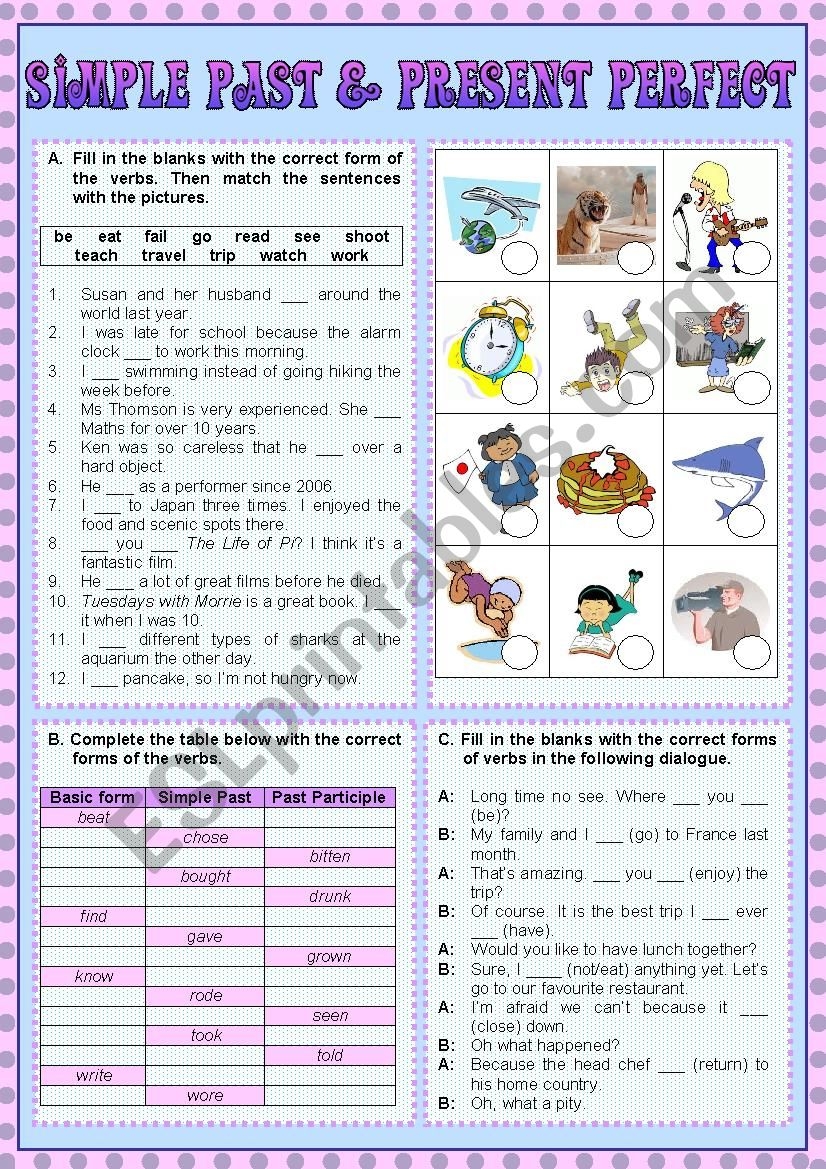
Perfect vs Simple Tense
One key difference between perfect and simple tense is the timing of the action. Simple tense is used for actions that are happening right now or regularly occur. For example, “I eat breakfast every morning” uses simple present tense to describe a regular action. In contrast, perfect tense is used for actions that have been completed in the past or have a connection to the present. An example of this would be “I have finished my homework,” which shows that the action of finishing homework is completed.
Another difference between perfect and simple tense is the structure of the verb. In simple tense, the verb remains the same regardless of the subject, while in perfect tense, the verb is paired with “have” or “has” depending on the subject. For example, in simple past tense, you would say “I walked to the store,” while in present perfect tense, you would say “I have walked to the store.”
It is important to choose the correct tense based on the context of the sentence. Using simple tense when you should be using perfect tense can change the meaning of the sentence and lead to confusion. By understanding the nuances of each tense, you can ensure that your writing is clear and effective.
In conclusion, perfect and simple tense serve different purposes in English grammar. Simple tense is used for actions that are happening now or regularly occur, while perfect tense is used for actions that have been completed or have a connection to the present. By mastering these concepts, you can improve your language skills and communicate more effectively.