Personal pronouns are an essential part of language that help us refer to individuals or groups without having to constantly repeat their names. They are used to replace nouns and indicate who is being referred to in a sentence. Personal pronouns come in various forms, such as he, she, they, we, and it, among others.
It is important to understand the different types of personal pronouns and how to use them correctly in order to communicate effectively in both spoken and written language. By using personal pronouns, we can avoid redundancy and make our communication more concise and clear.
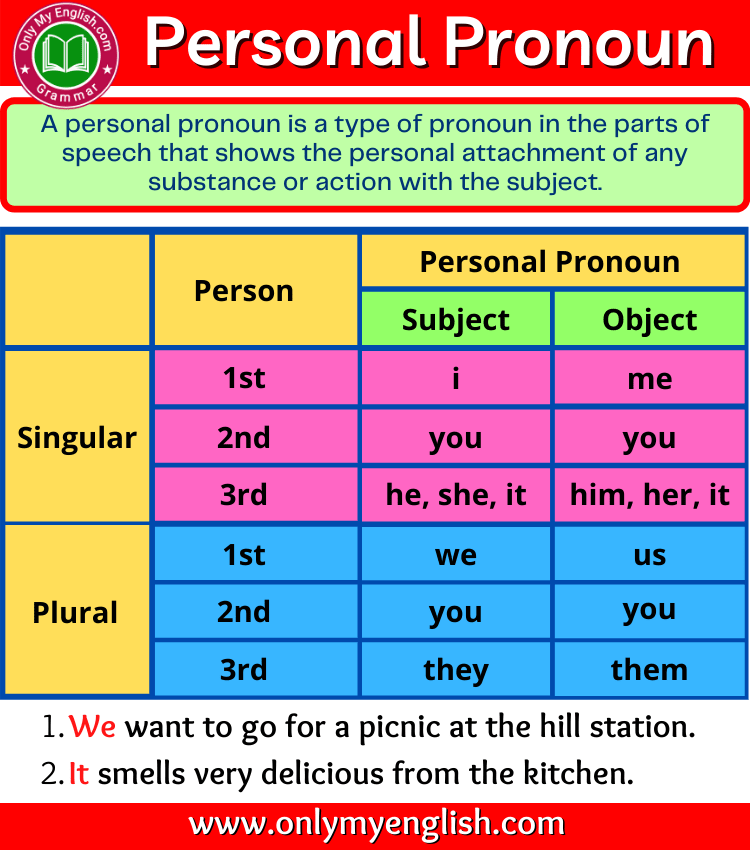
Personal Pronouns
Personal pronouns can be categorized into three main types: subjective pronouns, objective pronouns, and possessive pronouns. Subjective pronouns are used as the subject of a sentence, while objective pronouns are used as the object of a verb or preposition. Possessive pronouns indicate ownership or possession.
Some common examples of personal pronouns include: he/him (subjective/objective), she/her (subjective/objective), they/them (subjective/objective), we/us (subjective/objective), and it/its (subjective/objective). Each of these pronouns serves a specific purpose in a sentence and helps to clarify who or what is being referred to.
It is important to use personal pronouns accurately and respectfully, especially when referring to individuals who may have specific preferences for how they are addressed. It is always a good practice to ask someone for their preferred pronouns if you are unsure, as using the correct pronouns shows respect and inclusivity.
In conclusion, personal pronouns play a crucial role in language and communication by allowing us to refer to individuals or groups in a concise and clear manner. By understanding the different types of personal pronouns and how to use them correctly, we can enhance our communication skills and foster a more inclusive environment for all individuals. Remember to always be mindful of others’ pronoun preferences and use them accordingly to show respect and promote inclusivity.