Phrasal verbs are combinations of verbs and one or more particles (prepositions, adverbs, or both) that together form a single semantic unit. These verbs are commonly used in English and can sometimes be confusing for non-native speakers due to their varied meanings and usage.
Learning phrasal verbs is essential for mastering the English language as they are frequently used in both informal and formal contexts. Understanding how to correctly use phrasal verbs can greatly enhance your communication skills and help you sound more natural when speaking or writing in English.
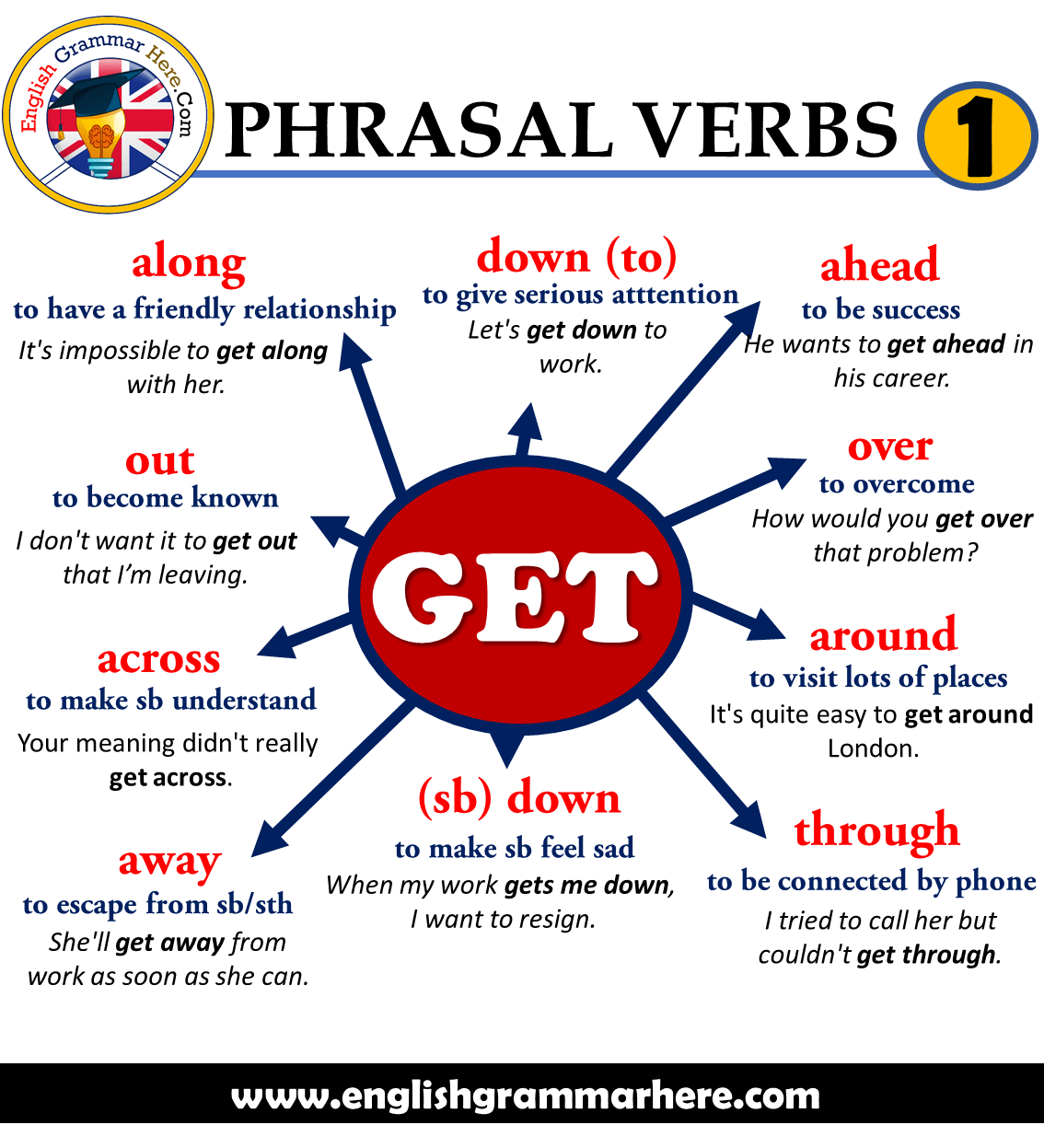
Examples of Phrasal Verbs
1. Turn down: to refuse or reject something, such as an offer or invitation. Example: She turned down the job offer because it didn’t meet her salary expectations.
2. Break up: to end a relationship or marriage. Example: After years of fighting, they finally decided to break up.
3. Look forward to: to anticipate or be excited about something that is going to happen. Example: I’m looking forward to our vacation next month.
4. Put off: to postpone or delay something. Example: The meeting was put off until next week due to scheduling conflicts.
5. Bring up: to mention or introduce a topic into a conversation. Example: She brought up the issue of climate change during the meeting.
Phrasal verbs are versatile and can convey a wide range of meanings depending on the context in which they are used. It’s important to pay attention to how phrasal verbs are used in different situations to better understand their nuances and implications.
Practicing phrasal verbs through reading, listening, and speaking can help you become more comfortable with using them in your own communication. Don’t be afraid to experiment with phrasal verbs and incorporate them into your everyday language to improve your English proficiency.
In conclusion, phrasal verbs are an integral part of the English language and mastering them can greatly enhance your language skills. By familiarizing yourself with common phrasal verbs and practicing their usage, you can become a more fluent and confident English speaker. Keep learning and expanding your knowledge of phrasal verbs to further improve your communication abilities.