Portuguese is a beautiful and widely spoken language, known for its rich history and culture. One of the key elements of mastering Portuguese is understanding verb conjugation. Just like in many other languages, Portuguese verbs change their form based on tense, mood, and subject. Learning how to conjugate verbs is essential for speaking and writing in Portuguese with accuracy and fluency.
Verb conjugation in Portuguese can be a bit challenging for learners, as there are many irregular verbs and different verb endings to memorize. However, with practice and dedication, mastering Portuguese verb conjugation is definitely achievable.
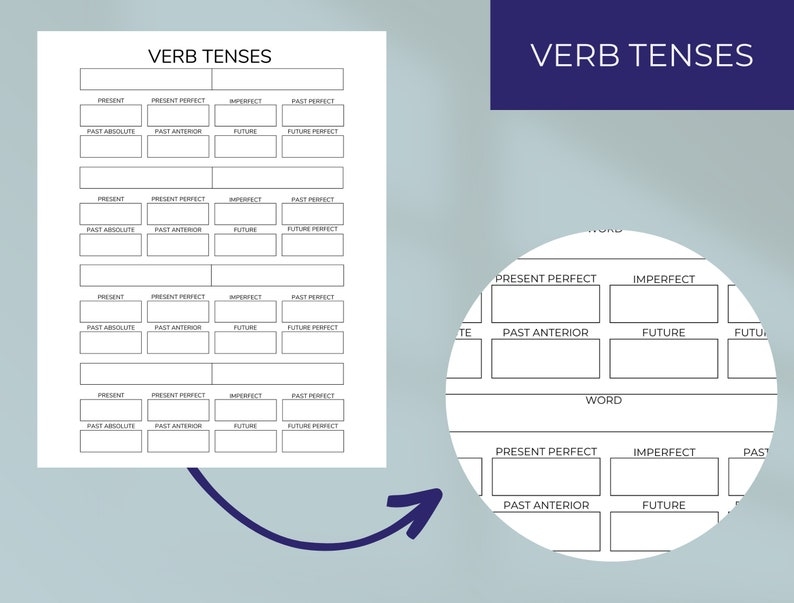
Portuguese Verb Conjugation
In Portuguese, verbs are conjugated according to the following categories: person (first, second, third), number (singular, plural), tense (present, past, future), mood (indicative, subjunctive, imperative), and voice (active, passive). Each verb has a base form, from which all the different conjugations are derived.
Regular verbs in Portuguese follow a predictable pattern of conjugation based on their infinitive form. For example, the verb “comer” (to eat) follows a regular conjugation pattern in the present tense: eu como (I eat), tu comes (you eat), ele/ela come (he/she eats), nós comemos (we eat), vós comeis (you all eat), eles/elas comem (they eat).
Irregular verbs, on the other hand, do not follow a predictable pattern and must be memorized individually. Some common irregular verbs in Portuguese include “ser” (to be), “ir” (to go), and “ter” (to have). For example, the verb “ser” has an irregular conjugation in the present tense: eu sou (I am), tu és (you are), ele/ela é (he/she is), nós somos (we are), vós sois (you all are), eles/elas são (they are).
It is important to practice conjugating verbs in all tenses and moods to become proficient in Portuguese. Using online resources, textbooks, and language apps can be helpful in mastering verb conjugation. Immersing oneself in the language through conversations with native speakers and reading Portuguese literature can also enhance one’s understanding of verb conjugation.
Overall, mastering Portuguese verb conjugation is a key component of becoming fluent in the language. By understanding the different categories of conjugation and practicing regularly, learners can improve their communication skills and express themselves more accurately in Portuguese.