When it comes to grammar, possessive pronouns play an essential role in indicating ownership or possession. These pronouns help clarify who or what something belongs to in a sentence. Understanding how to use possessive pronouns correctly can enhance your writing and communication skills.
Whether you’re a student, a professional, or simply someone looking to improve their language proficiency, mastering possessive pronouns is a valuable skill. Let’s delve deeper into the world of possessive pronouns and explore how they are used in sentences.
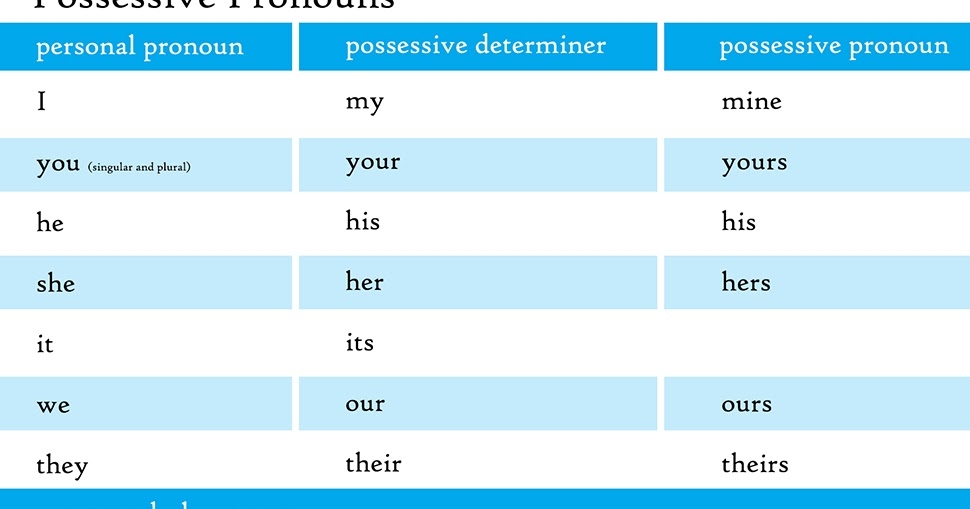
Possessive Pronouns
Possessive pronouns are used to show ownership or possession. They replace nouns or noun phrases and indicate who or what something belongs to. Common examples of possessive pronouns include “my,” “your,” “his,” “her,” “its,” “our,” and “their.” These pronouns help avoid repetition in sentences and make writing more concise.
For example, instead of saying “The book belongs to Sarah,” you can use the possessive pronoun and say “The book is hers.” This not only shortens the sentence but also makes it clearer and more precise. Possessive pronouns are versatile and can be used in various contexts to indicate possession.
It’s important to note that possessive pronouns do not require apostrophes. Unlike possessive nouns, which typically use an apostrophe followed by an “s” (e.g., Sarah’s book), possessive pronouns stand alone and do not need any punctuation marks to show possession.
Additionally, possessive pronouns can be used to show relationships between people or things. For example, “This is our house” indicates that the house belongs to a group of people. Similarly, “Is that your car?” implies that the car belongs to the person being addressed. Possessive pronouns help clarify ownership and establish connections between individuals and their possessions.
By mastering possessive pronouns, you can improve the clarity and effectiveness of your writing. Whether you’re crafting an essay, sending an email, or engaging in everyday conversations, possessive pronouns can help you convey ownership and possession with precision. Practice using possessive pronouns in various contexts to enhance your language skills and communicate more effectively.
In conclusion, possessive pronouns are valuable tools for indicating ownership and possession in sentences. By understanding how to use possessive pronouns correctly, you can elevate your writing and communication skills. Remember to use possessive pronouns in place of nouns to show possession and establish relationships between individuals and their belongings.