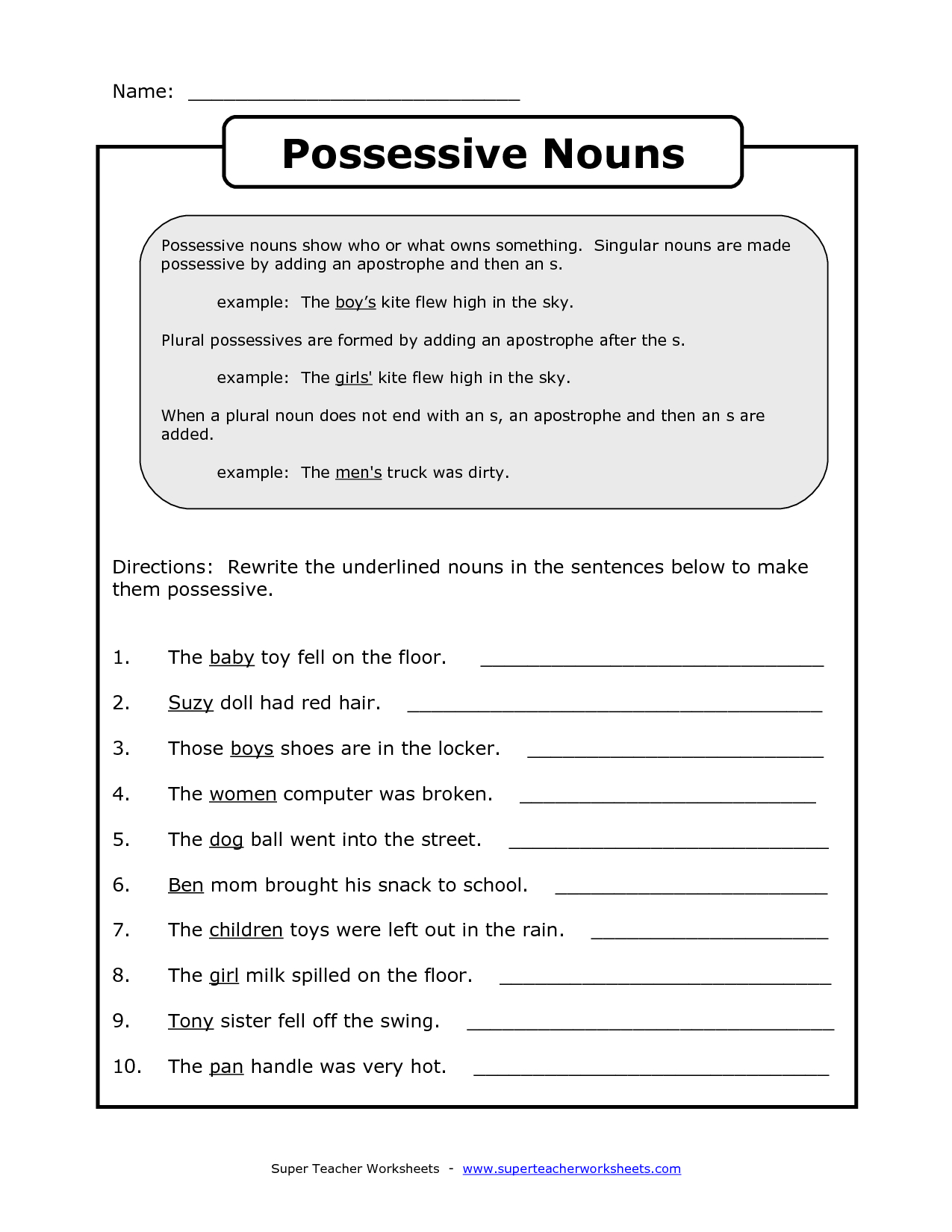
In English grammar, the possessive case of a plural noun is used to show ownership or possession of something by a group of people or things. When a plural noun already ends in -s, like “students” or “cars,” we simply add an apostrophe after the -s to make it possessive. For example, “the students’ books” or “the cars’ tires.” However, if a plural noun does not end in -s, we add an apostrophe followed by -s to make it possessive, such as “the women’s coats” or “the children’s toys.”
Understanding the possessive case of a plural noun is essential for clear and effective communication in writing. It helps to clarify who or what owns or possesses something, avoiding confusion or ambiguity. By correctly using the possessive case, writers can convey their ideas more accurately and make their sentences more precise and concise.
The Possessive Case of a Plural Noun
When dealing with plural nouns, it is important to remember the rules for forming the possessive case. As mentioned earlier, if a plural noun already ends in -s, we simply add an apostrophe after the -s. For example, “the girls’ backpacks” or “the teachers’ desks.” On the other hand, if a plural noun does not end in -s, we add an apostrophe followed by -s. For instance, “the children’s books” or “the men’s shoes.”
It is crucial to pay attention to the placement of the apostrophe in possessive plural nouns to ensure clarity in writing. Incorrect usage of apostrophes can lead to misunderstandings and affect the overall quality of the text. By following the rules for forming possessive plural nouns, writers can enhance the coherence and effectiveness of their writing.
Moreover, understanding the possessive case of plural nouns can also help in avoiding common mistakes in grammar. For instance, confusion often arises when using possessive pronouns with plural nouns, such as “their” instead of “they’re” or “its” instead of “it’s.” By mastering the rules for forming possessive plural nouns, writers can improve their overall grammar skills and produce more polished and professional writing.
In conclusion, mastering the possessive case of a plural noun is crucial for effective communication in writing. By following the rules for forming possessive plural nouns, writers can convey ownership and possession accurately, enhancing the clarity and coherence of their sentences. Understanding the nuances of possessive plural nouns can also help in avoiding common grammar mistakes and improving overall writing skills. So, next time you encounter a plural noun in need of possession, remember to add that apostrophe in the right place!