When it comes to grammar, understanding possessive for plural nouns is essential for clear and concise communication. Plural nouns refer to more than one person, place, or thing, and when we want to show ownership or possession, we need to know how to correctly form the possessive form.
Without using possessive for plural nouns correctly, sentences can become confusing and unclear. It’s important to know the rules and guidelines for forming possessives to ensure that your writing is grammatically correct and easy to understand.
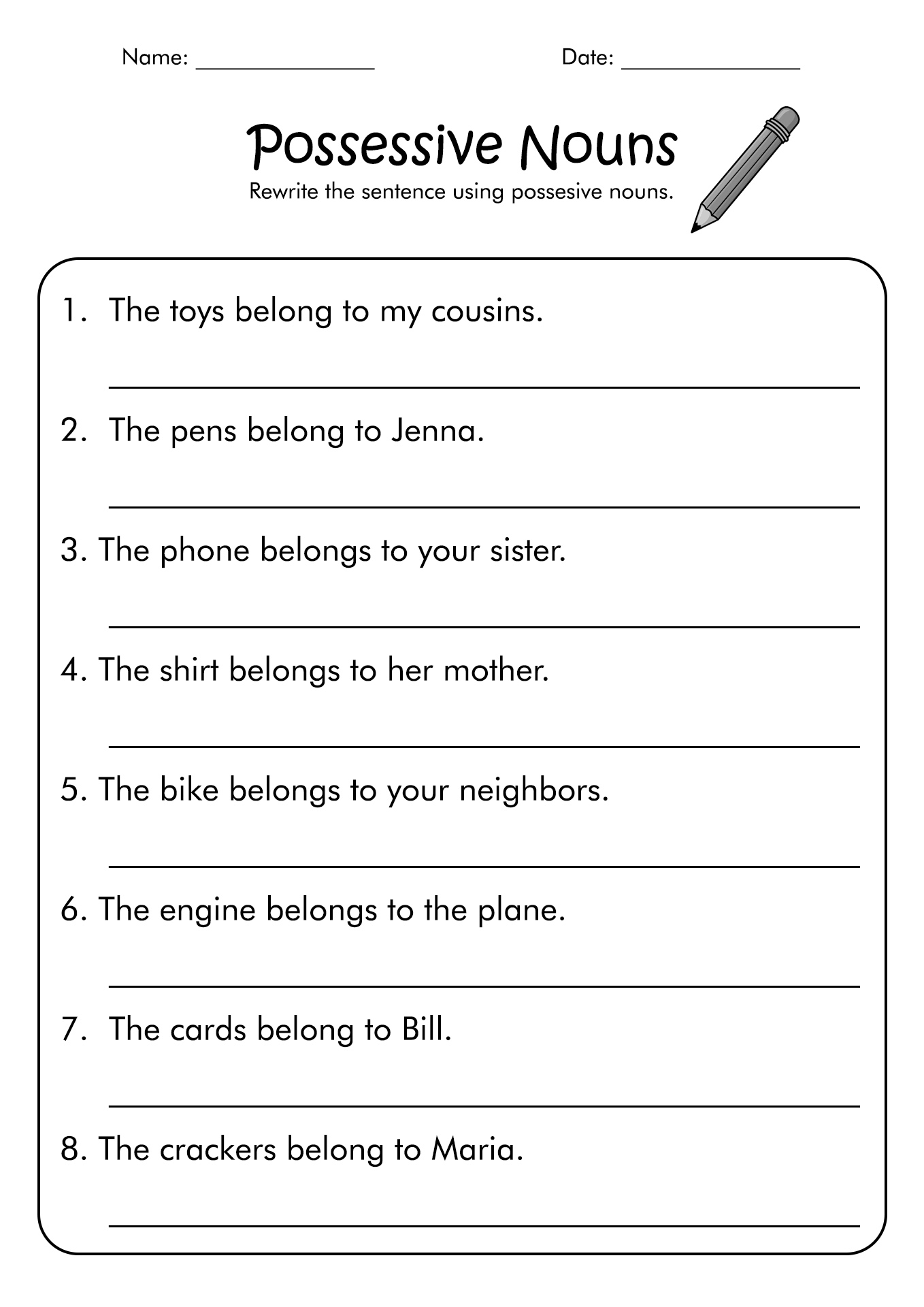
Possessive for Plural Nouns
One common rule for forming possessive for plural nouns is to add an apostrophe after the ‘s’ when the plural noun already ends in ‘s’. For example, “The students’ notebooks were scattered on the desk.” In this case, the notebooks belong to the students, so the apostrophe is placed after the ‘s’ in students.
Another rule is to add an apostrophe and an ‘s’ after the plural noun if it does not end in ‘s’. For instance, “The women’s team won the championship.” Here, the possessive form is created by adding an apostrophe and an ‘s’ after the plural noun ‘women’ to show ownership of the team.
It’s important to remember that possessive forms are used to show ownership or possession, so using them correctly can help clarify relationships between people or things in a sentence. Paying attention to the rules for forming possessive for plural nouns can greatly improve the clarity and effectiveness of your writing.
In conclusion, understanding and correctly using possessive for plural nouns is crucial for effective communication. By following the rules and guidelines for forming possessives, you can ensure that your writing is clear, concise, and grammatically correct. Practice using possessive forms in your writing to become more proficient in this aspect of grammar and enhance the overall quality of your writing.