Learning English grammar can be challenging, especially when it comes to understanding tenses. One important tense to master is the present perfect. This tense is used to indicate actions that were completed in the past but have relevance to the present. By using the present perfect correctly, you can convey information about past experiences, accomplishments, and events that have an impact on the present.
Understanding how to use the present perfect in English can help you communicate more effectively and accurately. It allows you to express yourself clearly and convey the timeline of events with precision. By mastering this tense, you can add depth and nuance to your sentences, making your communication more engaging and sophisticated.
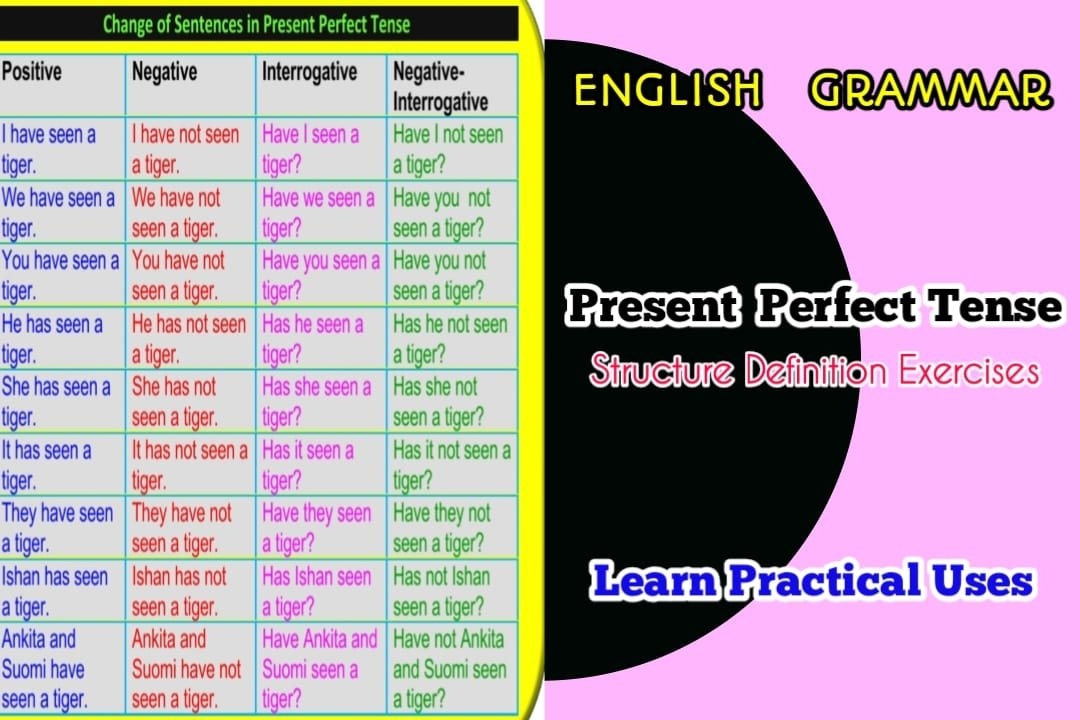
Present Perfect in English Examples
1. I have visited Paris three times. (The action of visiting Paris has been completed, but the number of visits is relevant to the present.)
2. She has already finished her homework. (The action of finishing homework is in the past, but it has an impact on the present situation.)
3. They have lived in this city for five years. (The duration of living in the city is relevant to the present moment.)
4. He has never tried sushi before. (The experience of trying sushi is in the past, but it is significant in the present context.)
5. We have just received the test results. (The action of receiving the test results is recent and has relevance to the present time.)
Using the present perfect tense allows you to convey a sense of completion and connection between past actions and the present moment. By incorporating this tense into your English sentences, you can provide more context and depth to your communication. Practice using these examples and experiment with forming your own sentences to enhance your understanding of the present perfect in English.
In conclusion, mastering the present perfect tense in English is essential for effective communication. By using this tense correctly, you can convey information about past experiences and events that have relevance to the present. With practice and dedication, you can improve your language skills and express yourself more confidently in English.