The present perfect tense is a crucial aspect of English grammar that is used to express actions that have occurred at an unspecified time in the past or that have a connection to the present. It is important to understand the usage of this tense in order to effectively communicate in English.
Many English language learners struggle with mastering the present perfect tense, as it can be confusing due to its unique structure and function. However, with practice and understanding, one can easily grasp the concept and use it correctly in their writing and speaking.
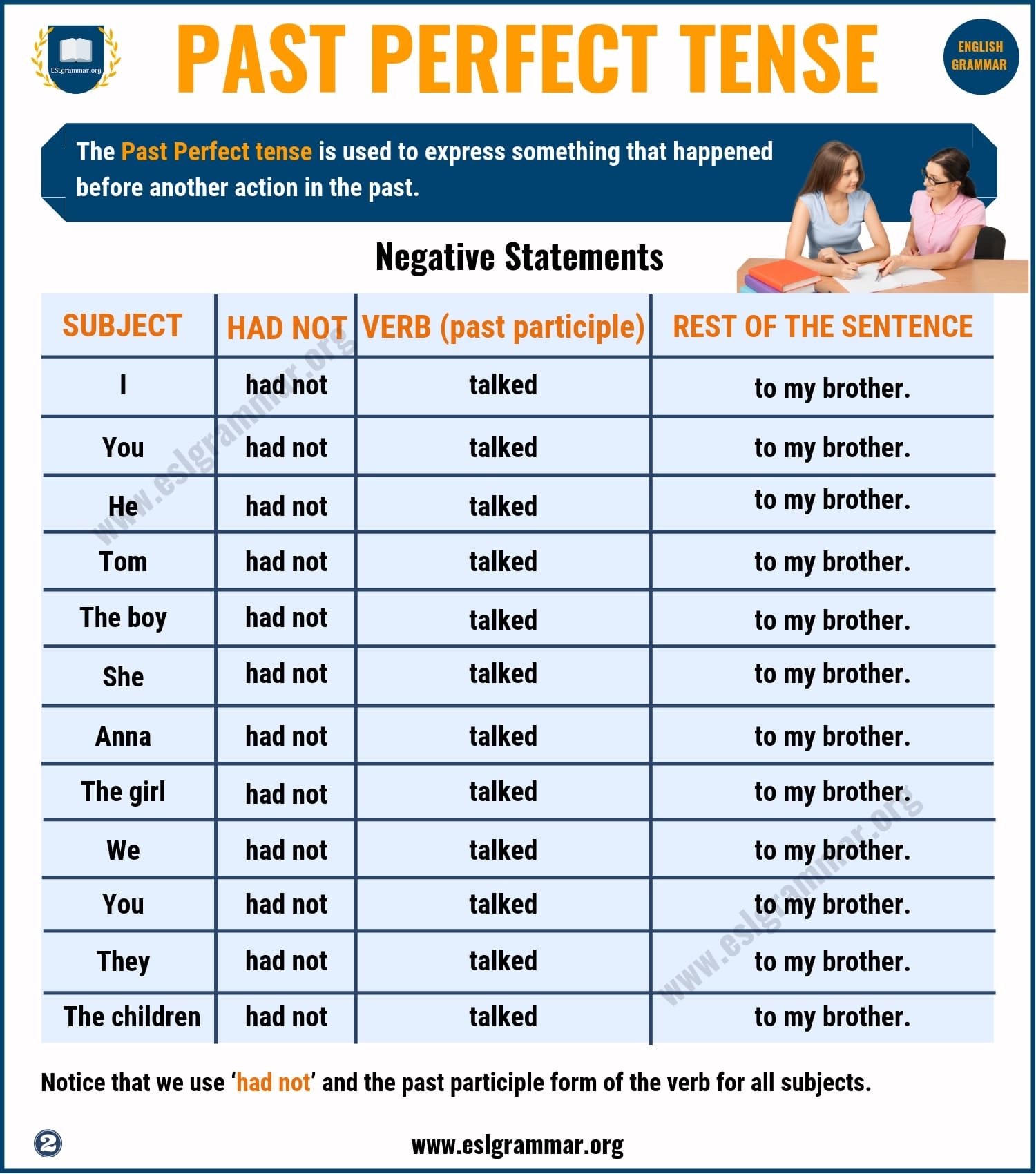
Present Perfect Meaning and Examples
The present perfect tense is formed by using the auxiliary verb “have” or “has” followed by the past participle of the main verb. It is often used to describe experiences, changes, or actions that have occurred in the recent past or that have a relevance to the present moment.
Examples of sentences using the present perfect tense include:
- I have visited Paris three times.
- She has already finished her homework.
- We have never been to Japan.
- They have lived in this city for five years.
These examples illustrate how the present perfect tense is used to convey actions that have taken place in the past but have a connection to the present. It is a versatile tense that is commonly used in both spoken and written English.
When using the present perfect tense, it is important to remember that the time when the action occurred is not specified, but rather the focus is on the result or consequence of the action. This tense is often used with time expressions such as “already,” “never,” “just,” “yet,” and “for,” to indicate the time frame of the action.
Overall, the present perfect tense plays a crucial role in English grammar and is essential for effective communication. By mastering this tense and understanding its usage, one can improve their language skills and convey ideas more clearly in English.
In conclusion, the present perfect tense is a valuable tool for expressing past actions with present relevance. By practicing and using this tense correctly, English language learners can enhance their fluency and proficiency in the language.