When it comes to English grammar, two tenses that often confuse learners are the present perfect simple and the past tense. Both tenses are used to talk about actions that have already happened, but they are used in different ways. Understanding the differences between these two tenses can help you communicate more effectively in English.
Let’s explore the differences between the present perfect simple and past tense in more detail.
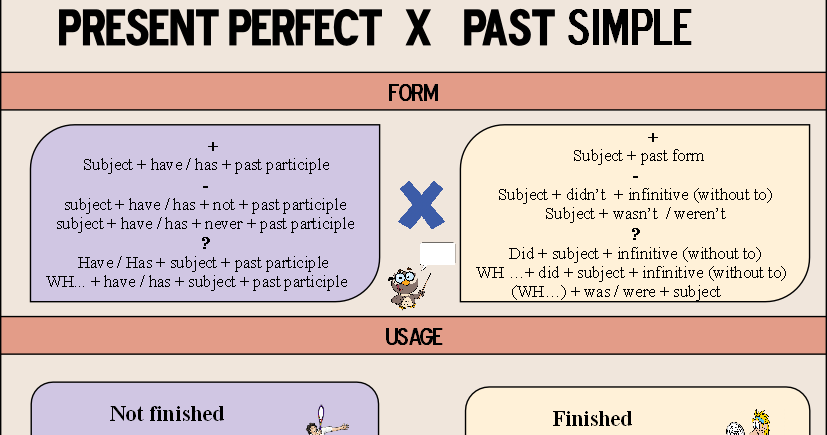
Present Perfect Simple
The present perfect simple is used to talk about actions or events that have just been completed or have relevance to the present moment. This tense is formed by using the auxiliary verb “have” or “has” followed by the past participle of the main verb. For example, “I have finished my homework.” In this sentence, the action of finishing the homework is connected to the present moment.
The present perfect simple is also used to talk about experiences or actions that have occurred at an unspecified time in the past. For example, “She has visited Paris several times.” This sentence indicates that the action of visiting Paris has happened multiple times in the past without specifying when exactly.
Furthermore, the present perfect simple is often used with time expressions such as “just,” “already,” “yet,” and “recently” to indicate the recency of the action. For example, “I have just eaten dinner.” This sentence implies that the action of eating dinner happened a short while ago.
Past Tense
On the other hand, the past tense is used to talk about actions or events that occurred at a specific time in the past and are no longer relevant to the present moment. This tense is formed by adding “-ed” to regular verbs or using the irregular forms for irregular verbs. For example, “She walked to the park yesterday.” In this sentence, the action of walking to the park happened yesterday, a specific time in the past.
The past tense is also used to narrate past events or tell stories. It is the most commonly used tense for talking about the past in English. For example, “He studied French when he was in college.” This sentence describes a past action that is not connected to the present.
Additionally, the past tense is often used with time expressions such as “yesterday,” “last week,” “two days ago,” and “in 1999” to indicate when the action took place. These time expressions help provide context to the past event being described.
In conclusion, the present perfect simple and past tense are both important tenses in English grammar that are used to talk about past actions. While the present perfect simple focuses on actions with relevance to the present moment or unspecified times in the past, the past tense is used for actions that occurred at specific times in the past and are no longer relevant. By understanding the differences between these two tenses, you can improve your English language skills and communicate more effectively.