When learning English grammar, one of the key aspects to understand is the difference between simple past and present perfect tenses. These two tenses are commonly used in everyday conversation and writing, but they serve different purposes and have specific rules that need to be followed.
Simple past is used to describe actions that were completed at a specific point in the past. It is formed by adding -ed to regular verbs or using irregular verb forms. For example, “I walked to the store yesterday” or “She ate lunch an hour ago.”
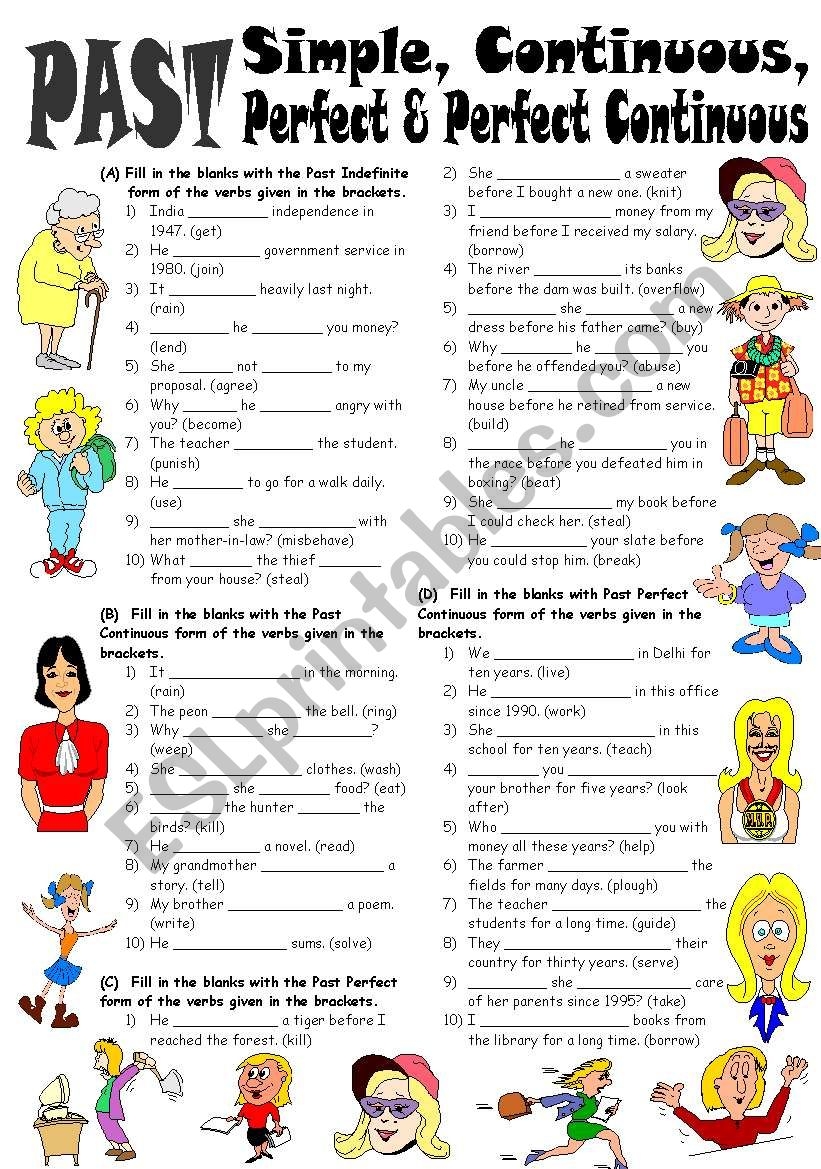
Simple Past
One key point to remember about simple past tense is that it always refers to a specific time in the past. It is used to talk about actions that started and finished at a definite time in the past. For example, “I visited my friend last weekend” or “They watched a movie on Friday night.”
On the other hand, present perfect is used to describe actions that happened at an unspecified time in the past or have a connection to the present. It is formed by using the auxiliary verb “have” or “has” followed by the past participle of the main verb. For example, “I have studied English for five years” or “She has traveled to many countries.”
Present perfect is also used to talk about experiences or actions that have occurred multiple times up to now. It focuses on the result of the action rather than the specific time when it happened. For example, “I have read that book before” or “He has seen that movie several times.”
In conclusion, understanding the differences between simple past and present perfect tenses is essential for effective communication in English. By knowing when to use each tense correctly, you can convey your thoughts and experiences more clearly. Practice using both tenses in sentences and conversations to improve your grammar skills and become more proficient in English.