Verb tenses play a crucial role in English grammar, as they help convey the time at which an action took place. Two common verb tenses that are often used in writing and speech are the simple past tense and present perfect. Understanding the differences between these two tenses is essential for effective communication.
Simple past tense is used to describe actions that were completed at a specific point in the past. It is formed by adding “-ed” to regular verbs or using irregular forms for irregular verbs. For example, “She walked to the store” or “He ate dinner last night.” Simple past tense is useful for narrating past events or actions that have already happened.
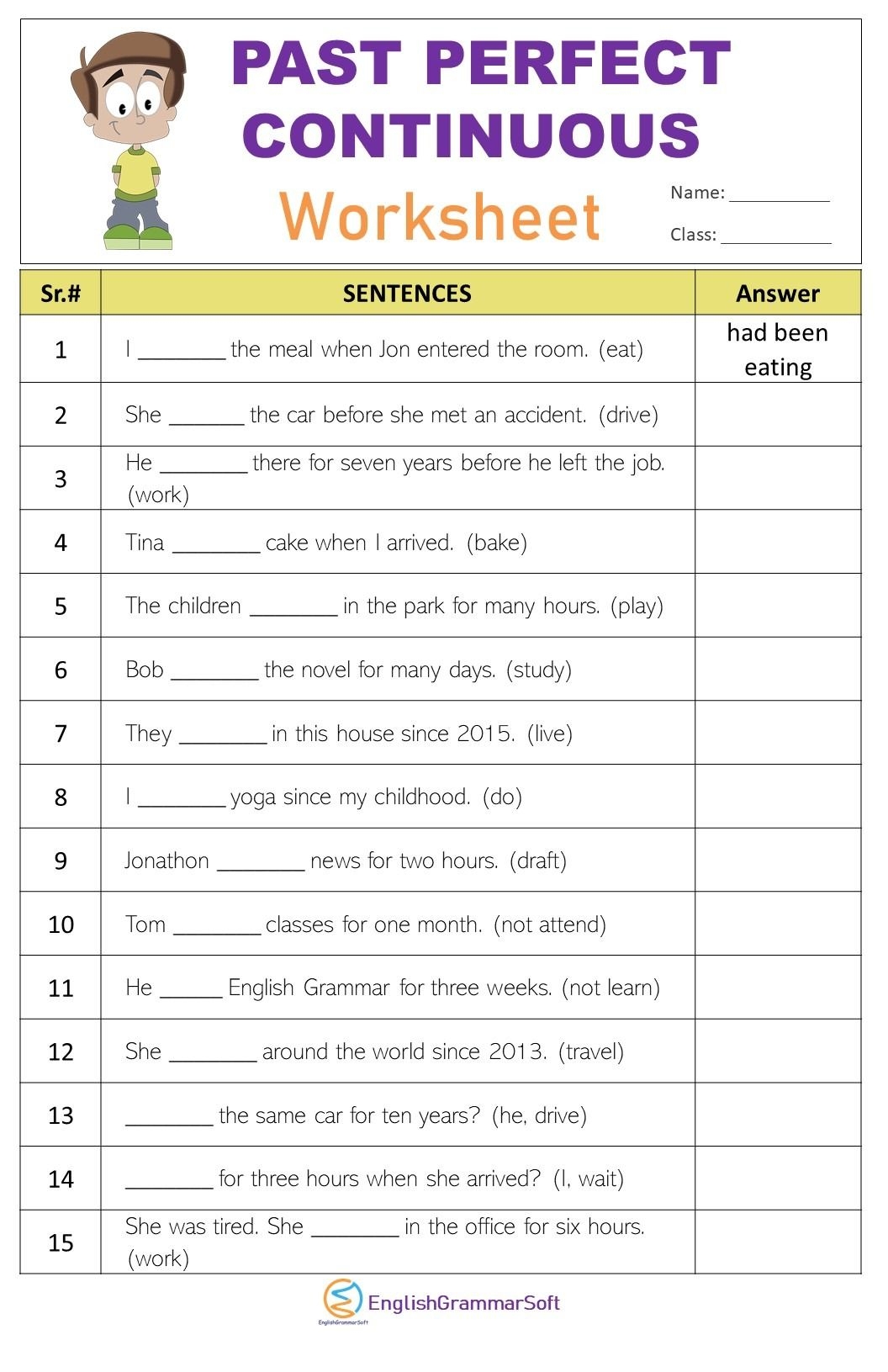
Simple Past Tense and Present Perfect
Present perfect, on the other hand, is used to describe actions that have a connection to the present moment. This tense is formed by using the auxiliary verb “have” or “has” followed by the past participle of the main verb. For example, “I have finished my homework” or “She has visited Paris several times.” Present perfect is often used to talk about experiences, achievements, or actions that have relevance to the present.
One key difference between simple past tense and present perfect is the time frame in which the actions take place. Simple past tense focuses on actions that occurred at a specific time in the past, while present perfect emphasizes the connection between past actions and the present moment. Understanding when to use each tense can help clarify the timing and relevance of events in a sentence.
It is important to note that both simple past tense and present perfect have specific rules and structures that need to be followed in order to convey the intended meaning accurately. Practice and familiarity with these tenses can help improve writing and speaking skills, making communication more effective and precise.
In conclusion, simple past tense and present perfect are two essential verb tenses in English grammar that help convey the timing and relevance of actions. By understanding the differences between these tenses and practicing their usage, individuals can enhance their communication skills and express themselves more clearly. Mastery of these tenses can lead to more accurate and engaging writing and speech.