Understanding the difference between simple past and present perfect tense is essential for anyone learning English as a second language. Both tenses are used to talk about actions that have already happened, but they are used in different contexts and have different meanings. Let’s explore the nuances of each tense to help you use them correctly in your writing and speaking.
The simple past tense is used to talk about completed actions that happened at a specific time in the past. For example, “I visited my grandmother last weekend.” In this sentence, the action of visiting the grandmother took place at a specific time in the past – last weekend. The present perfect tense, on the other hand, is used to talk about actions that happened at an unspecified time in the past or have a connection to the present. For example, “I have visited my grandmother many times.” In this sentence, the speaker is not specifying when the visits occurred, but is emphasizing the fact that they have happened multiple times in the past.
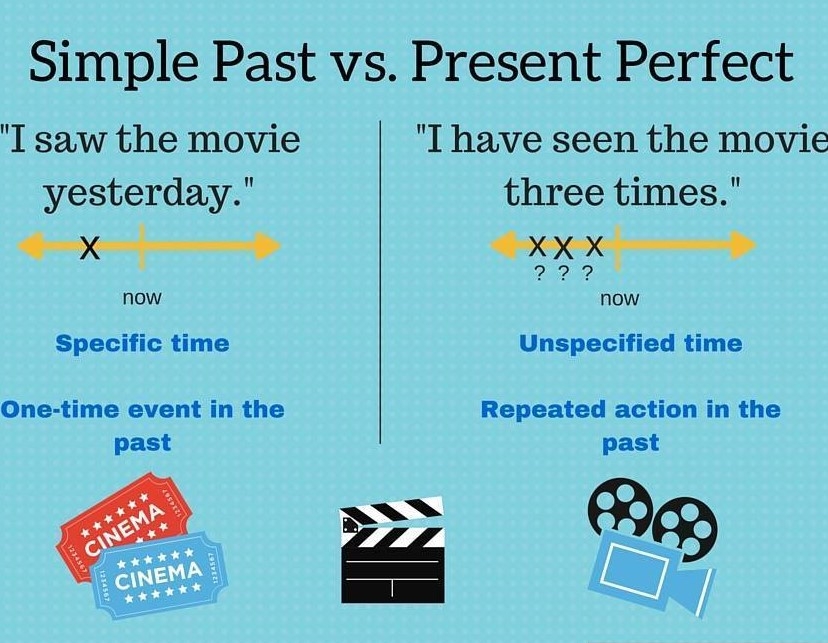
Another key difference between the two tenses is the use of specific time markers. The simple past tense often uses words like yesterday, last week, or in 1999 to indicate when the action took place. In contrast, the present perfect tense is often used with words like already, ever, never, or yet to show a connection to the present moment or to indicate that the action has been completed but the exact time is not important.
It is also important to note that the present perfect tense is commonly used with the words for and since to talk about actions that started in the past and continue into the present. For example, “I have lived in this city for five years.” In this sentence, the action of living in the city started in the past and is still ongoing.
In summary, the simple past tense is used to talk about completed actions at a specific time in the past, while the present perfect tense is used to talk about actions that have happened at an unspecified time or have a connection to the present. By understanding the differences between the two tenses, you can improve your English language skills and communicate more effectively.
Practice using both tenses in your writing and speaking to become more comfortable with their usage and to enhance your overall language proficiency. With time and practice, you will master the nuances of simple past and present perfect tense and be able to use them confidently in any conversation or written work.