When preparing for the TOEFL exam, one of the key components to focus on is vocabulary. A strong vocabulary is essential for success in all sections of the test, including reading, writing, listening, and speaking. By expanding your vocabulary, you can improve your ability to understand complex texts, express ideas clearly, and communicate effectively in English.
It is important to note that the TOEFL exam does not require students to memorize long lists of words. Instead, it tests your ability to understand and use academic vocabulary in context. This means that it is crucial to focus on learning words in meaningful sentences or passages, rather than just studying isolated words. By doing so, you will be better equipped to comprehend and respond to the questions on the exam.
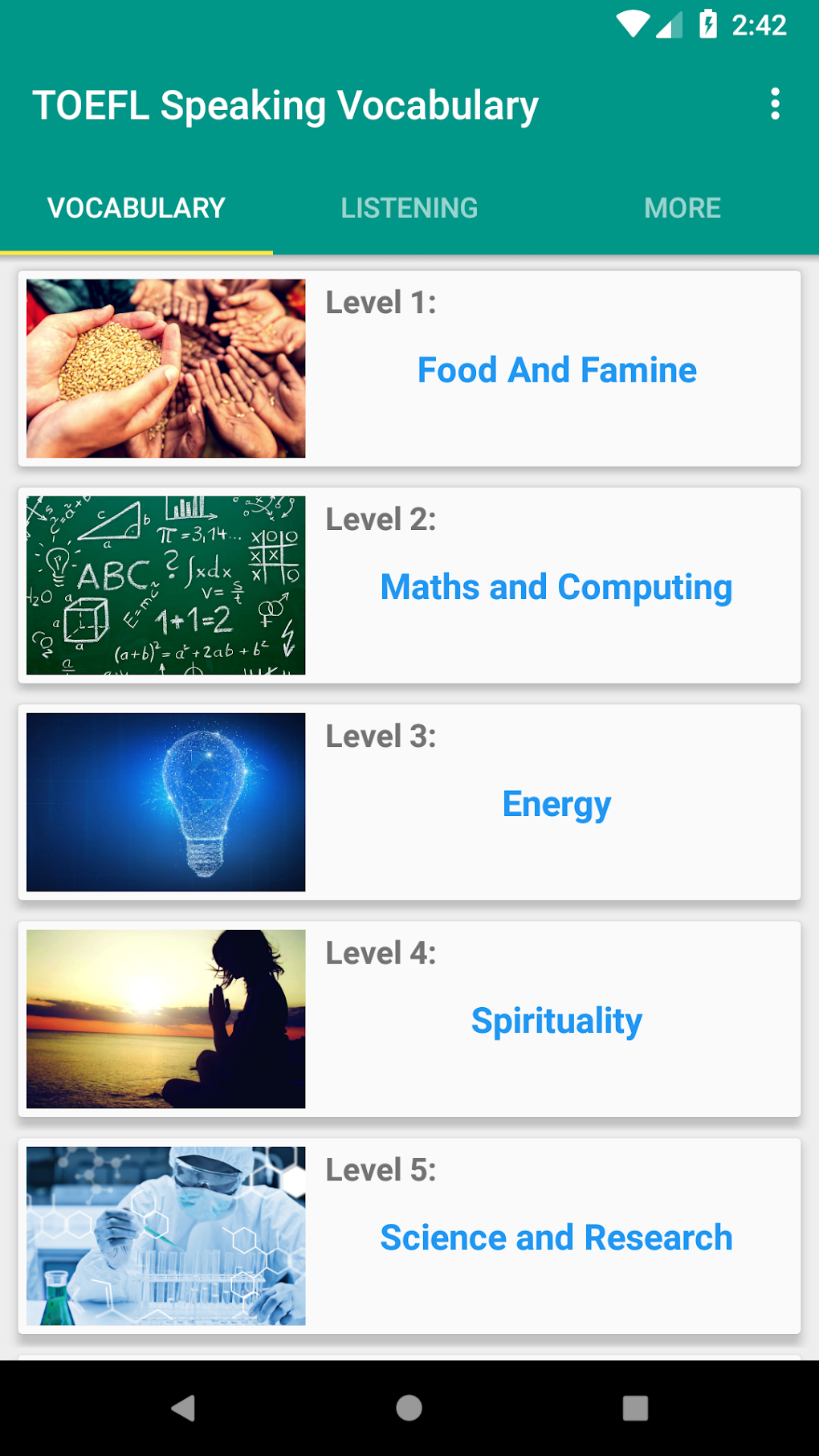
TOEFL Vocabulary
One way to improve your TOEFL vocabulary is to read extensively in English. Reading a variety of texts, such as newspapers, magazines, academic articles, and novels, will expose you to a wide range of vocabulary words in different contexts. Pay attention to unfamiliar words and look up their meanings to expand your vocabulary.
Another effective strategy is to keep a vocabulary journal where you can record new words, their definitions, and example sentences. Reviewing this journal regularly will help reinforce your learning and improve your retention of new words. Additionally, practicing with flashcards or online vocabulary quizzes can help you test your knowledge and track your progress.
When studying vocabulary for the TOEFL exam, it is important to focus on academic and formal language. This includes words related to academic subjects, such as science, history, and literature, as well as words commonly used in formal writing and speaking. By familiarizing yourself with this type of vocabulary, you will be better prepared to tackle the challenging passages and questions on the exam.
In conclusion, developing a strong vocabulary is essential for success on the TOEFL exam. By reading extensively, keeping a vocabulary journal, and practicing with flashcards, you can improve your ability to understand and use academic vocabulary in context. Remember to focus on learning words in meaningful sentences and passages, rather than just memorizing isolated words. With dedication and practice, you can expand your vocabulary and achieve your desired score on the TOEFL exam.