When preparing for the Graduate Record Examination (GRE), one of the key areas to focus on is building a strong vocabulary. The GRE is a standardized test that is widely used for admissions into graduate programs, and a strong vocabulary can significantly impact your performance on the verbal reasoning section of the exam. By expanding your vocabulary, you can improve your ability to understand complex texts, analyze arguments, and answer questions effectively.
Having a strong vocabulary not only helps you in the verbal reasoning section of the GRE but also in other areas of your academic and professional life. A robust vocabulary can enhance your communication skills, writing abilities, and overall confidence. It allows you to express yourself more clearly and persuasively, which can be valuable in various settings, from academic papers to job interviews.
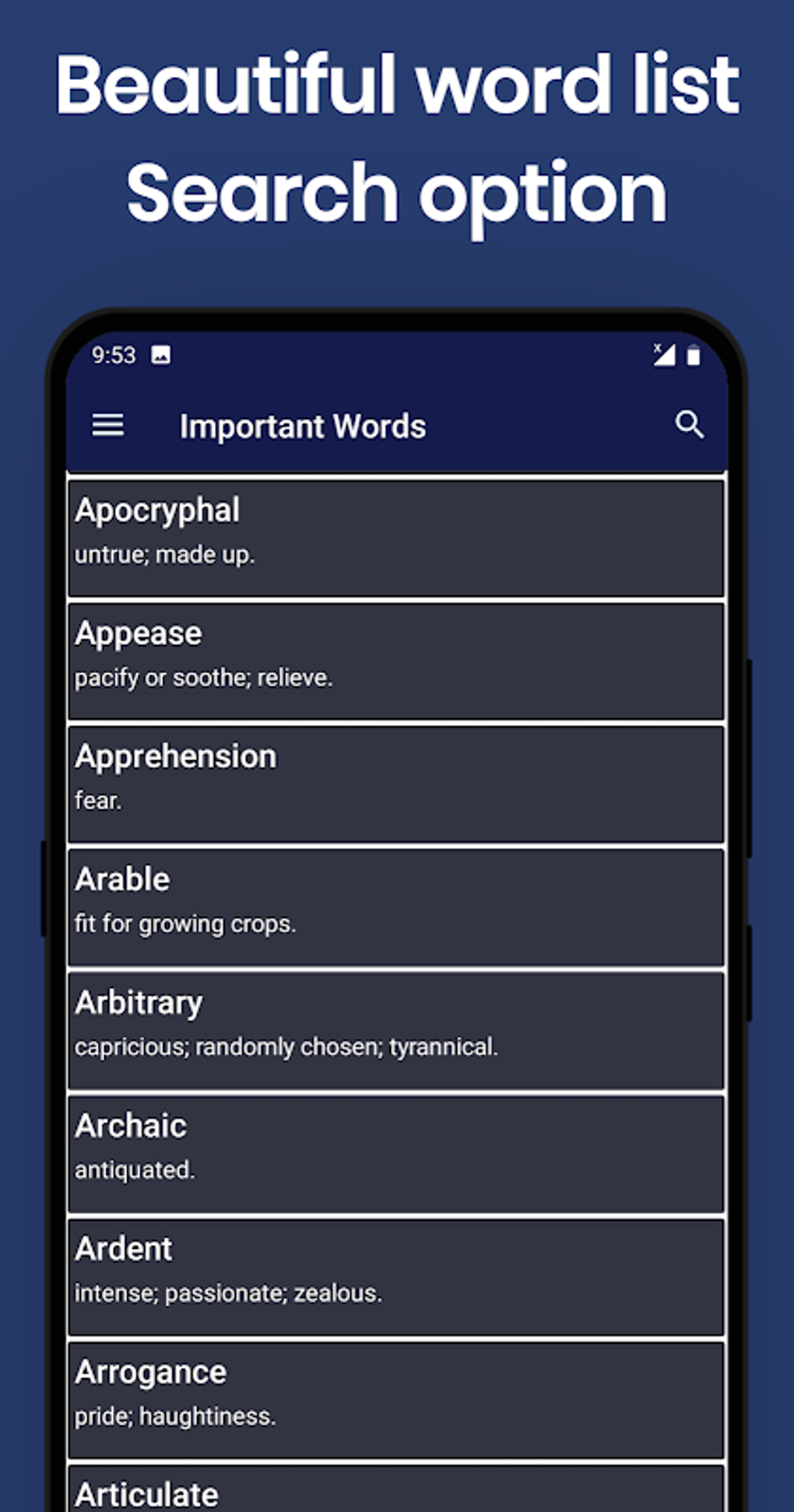
Vocabulary for GRE
Here are some tips for building your vocabulary for the GRE:
1. Read Widely: Reading books, articles, and essays on a variety of topics can expose you to new words and phrases. Make a habit of looking up unfamiliar words and understanding their meanings in context.
2. Use Flashcards: Create flashcards with new words and their definitions. Review these flashcards regularly to reinforce your memory and understanding of the vocabulary words.
3. Practice with GRE Vocabulary Lists: There are many GRE vocabulary lists available online that contain words commonly found on the exam. Familiarize yourself with these words and their meanings to improve your performance on the verbal reasoning section.
4. Engage in Vocabulary-building Exercises: Participate in vocabulary-building exercises, such as crossword puzzles, word games, and vocabulary quizzes. These activities can make learning new words more engaging and fun.
5. Use Vocabulary in Context: To truly understand and retain new words, try to use them in sentences or conversations. This can help you internalize the meanings and nuances of the vocabulary words.
By incorporating these strategies into your GRE preparation, you can enhance your vocabulary skills and boost your performance on the exam. Building a strong vocabulary takes time and effort, but the benefits are well worth it in terms of your academic and professional success.
In conclusion, developing a strong vocabulary is essential for success on the GRE and beyond. By expanding your vocabulary, you can improve your reading comprehension, analytical skills, and overall communication abilities. Make sure to dedicate time to building your vocabulary as part of your GRE preparation to increase your chances of achieving your desired score on the exam.