Building a strong vocabulary is essential for academic success and communication skills. However, many students struggle with expanding their vocabulary. In order to help students improve their vocabulary, teachers need to implement effective instruction strategies that are engaging and impactful.
By using a variety of vocabulary instruction strategies, educators can help students acquire new words and understand their meanings in different contexts. These strategies not only enhance students’ vocabulary knowledge but also improve their reading comprehension and writing skills.
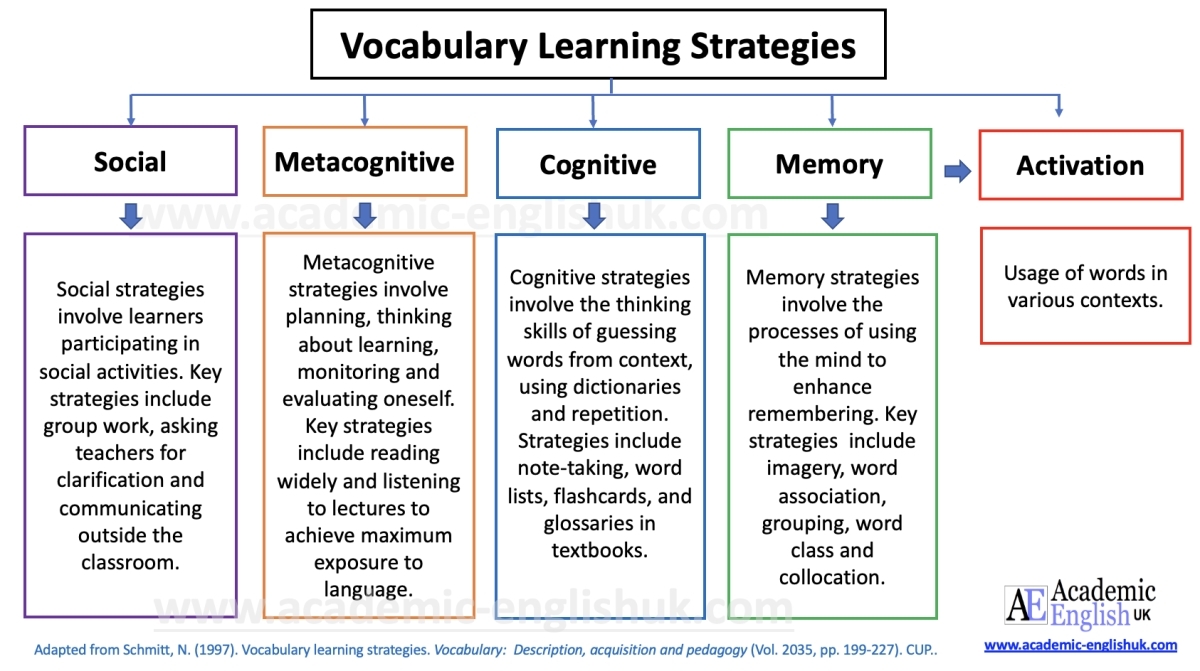
Vocabulary Instruction Strategies
1. Context Clues: Encouraging students to use context clues to decipher the meaning of unfamiliar words is a valuable strategy. By teaching students how to look for clues in the surrounding text, they can learn to determine the meaning of unknown words without relying on a dictionary.
2. Word Maps: Creating word maps is another effective strategy for vocabulary instruction. Word maps help students visualize the relationships between words, their definitions, and examples of how they are used in sentences. This visual representation can aid in better understanding and retention of new vocabulary.
3. Word Games: Incorporating word games such as crossword puzzles, word searches, and vocabulary bingo can make learning new words more engaging and fun for students. By making vocabulary instruction enjoyable, students are more likely to be motivated to expand their vocabulary.
4. Vocabulary Journals: Encouraging students to keep vocabulary journals where they write down new words, their definitions, and examples of how they are used in context can be a useful strategy. By regularly reviewing their vocabulary journals, students can reinforce their understanding of new words and track their progress.
5. Word Walls: Creating a word wall in the classroom with new vocabulary words can serve as a visual aid for students to reference throughout the school year. By regularly adding new words to the word wall and reviewing them with students, teachers can reinforce vocabulary learning in a tangible way.
In conclusion, effective vocabulary instruction strategies are essential for helping students expand their vocabulary and improve their language skills. By implementing a variety of strategies such as context clues, word maps, word games, vocabulary journals, and word walls, educators can create a dynamic and engaging learning environment that promotes vocabulary development. With consistent practice and reinforcement, students can enhance their vocabulary knowledge and become more proficient in reading, writing, and communication.