Having a strong vocabulary is essential for effective communication. It allows us to express ourselves clearly and accurately, as well as understand the messages conveyed by others. Vocabulary plays a crucial role in reading, writing, speaking, and listening, making it a cornerstone of language proficiency.
Building a rich vocabulary not only enhances our communication skills but also boosts our cognitive abilities. Research has shown that individuals with a broad vocabulary tend to have better critical thinking skills, memory retention, and overall academic performance. Therefore, investing time and effort in expanding your vocabulary can have numerous benefits in both personal and professional contexts.
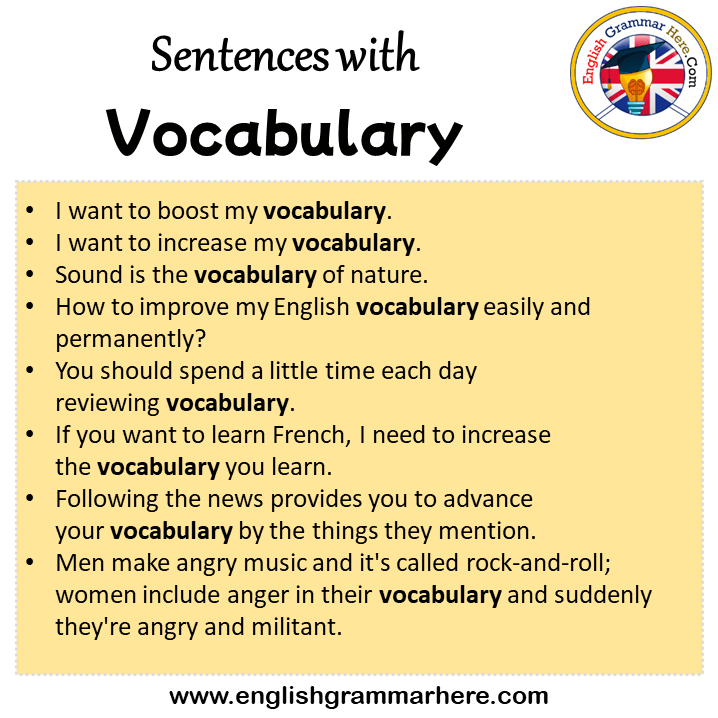
Vocabulary Meaning
At its core, vocabulary refers to the words and phrases that a person knows and understands. It encompasses the entire range of language terms that an individual can use to communicate effectively. For example, a diverse vocabulary may include words from various languages, technical jargon, slang, and formal terminology.
Expanding your vocabulary involves learning new words, understanding their meanings, and using them correctly in context. For instance, knowing the difference between “affect” and “effect” or “their,” “there,” and “they’re” can significantly impact the clarity and precision of your communication. Additionally, being able to recognize synonyms and antonyms can help you convey your ideas more effectively and avoid repetition in your writing or speech.
One effective way to enhance your vocabulary is through regular reading and exposure to different types of literature. Reading a variety of genres, from fiction to non-fiction, can introduce you to new words and phrases and provide context for their usage. Additionally, keeping a vocabulary journal or using online resources, such as dictionaries and thesauruses, can help you track and expand your word collection.
Another strategy for improving your vocabulary is engaging in conversations with diverse groups of people. Interacting with individuals from different backgrounds and cultures can expose you to a wider range of language expressions and idiomatic phrases. Furthermore, participating in language learning activities, such as word games, puzzles, and quizzes, can make the process of acquiring new vocabulary more engaging and enjoyable.
Closing Thoughts
In conclusion, vocabulary is the foundation of effective communication and language proficiency. By actively seeking out new words, understanding their meanings, and using them in context, you can enhance your ability to express yourself clearly and accurately. Cultivating a diverse vocabulary not only enriches your language skills but also improves your cognitive functions and overall academic performance. So, make it a priority to expand your vocabulary and reap the numerous benefits it offers in all areas of your life.