Building a strong vocabulary is crucial for language learners to effectively communicate and comprehend information. Having a rich repertoire of words allows individuals to express themselves more clearly and understand texts better. However, acquiring a large vocabulary can be a challenging task for many. With the right strategies and techniques, learners can improve their word knowledge and enhance their language skills.
One of the key vocabulary strategies that language learners can use is the context clue method. This involves looking at the surrounding words and sentences to infer the meaning of an unfamiliar word. By understanding the context in which a word is used, learners can grasp its meaning without needing to consult a dictionary. This strategy not only helps in expanding vocabulary but also enhances reading comprehension skills.
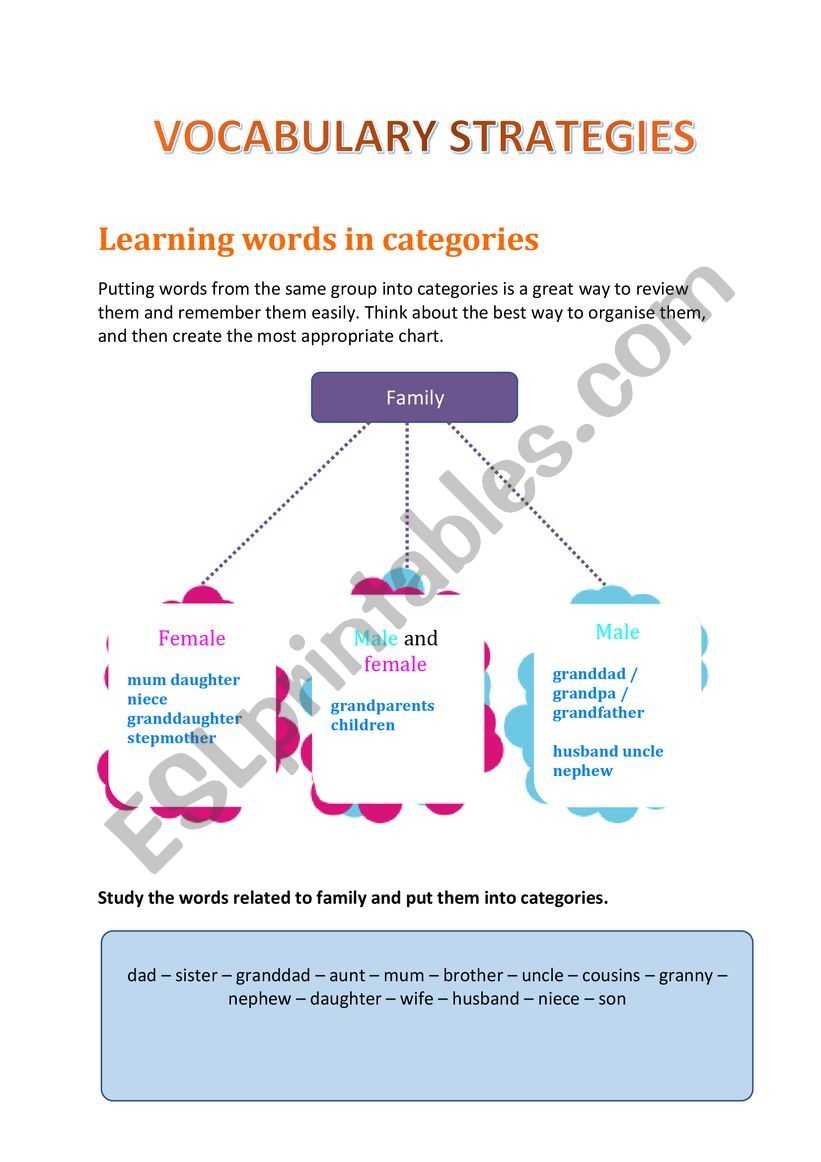
Vocabulary Strategy
Another effective vocabulary strategy is the use of mnemonic devices. Mnemonics are memory aids that help learners retain new words by associating them with familiar information or patterns. This could be through creating acronyms, rhymes, or visual images that connect the word to its meaning. By using mnemonics, learners can recall words more easily and reinforce their retention in long-term memory.
Flashcards are also a popular tool for vocabulary building. Learners can create flashcards with the word on one side and its definition on the other. By regularly reviewing these flashcards, individuals can reinforce their word knowledge and improve their recall of new vocabulary. Flashcards are a simple yet effective way to expand vocabulary and test one’s understanding of words.
Additionally, incorporating new words into daily practice is essential for vocabulary development. Language learners can make an effort to use new words in conversations, writing, or even in daily journal entries. By actively using and practicing new vocabulary, learners can reinforce their word knowledge and become more adept at incorporating these words into their language repertoire.
In conclusion, having a strong vocabulary is vital for language learners to effectively communicate and comprehend information. By employing strategies such as context clues, mnemonic devices, flashcards, and daily practice, individuals can enhance their word knowledge and improve their language skills. With consistent effort and dedication, learners can expand their vocabulary and become more proficient in expressing themselves in their target language.