When watching a volleyball game, you may hear terms and phrases that are unfamiliar if you are not familiar with the sport. Understanding volleyball vocabulary can enhance your enjoyment of the game and help you follow along with the action on the court. Whether you are a player, a coach, or a spectator, knowing key volleyball terms can improve your overall experience.
From serves to spikes, blocks to digs, volleyball has its own unique language that is essential for communicating and strategizing during a match. Learning these terms can help you appreciate the skill and athleticism involved in the sport and give you a deeper understanding of the game.
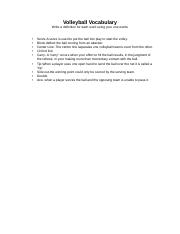
Volleyball Vocabulary
Here are some common volleyball terms that you may encounter during a game:
1. Serve: The action of putting the ball into play by hitting it over the net from behind the end line.
2. Spike: A powerful, downward hit of the ball with force to send it over the net and into the opponent’s court.
3. Block: When a player jumps at the net to prevent the ball from crossing into their team’s court by deflecting or stopping it.
4. Dig: A defensive move to save the ball from hitting the floor after a spike or powerful hit from the opposing team.
5. Setter: The player who is responsible for setting up the ball for their teammates to hit, usually located in the front row.
These are just a few examples of the many terms used in volleyball that can help you better understand the game and follow the action on the court.
Overall, familiarizing yourself with volleyball vocabulary can enhance your enjoyment of the sport and help you communicate effectively with players, coaches, and fellow fans. Whether you are new to volleyball or a seasoned veteran, having a solid grasp of key terms and phrases can elevate your experience and deepen your appreciation for this exciting and fast-paced sport.