Having a strong vocabulary is essential for effective communication and academic success. It can also enhance your ability to express yourself clearly and confidently. If you’re looking to expand your vocabulary, there are several ways you can do so. Here are some tips to help you develop your vocabulary.
1. Read regularly: Reading is one of the best ways to improve your vocabulary. Make it a habit to read books, newspapers, magazines, or online articles on a variety of topics. Pay attention to unfamiliar words and look up their meanings. This will not only help you learn new words but also understand how they are used in context.
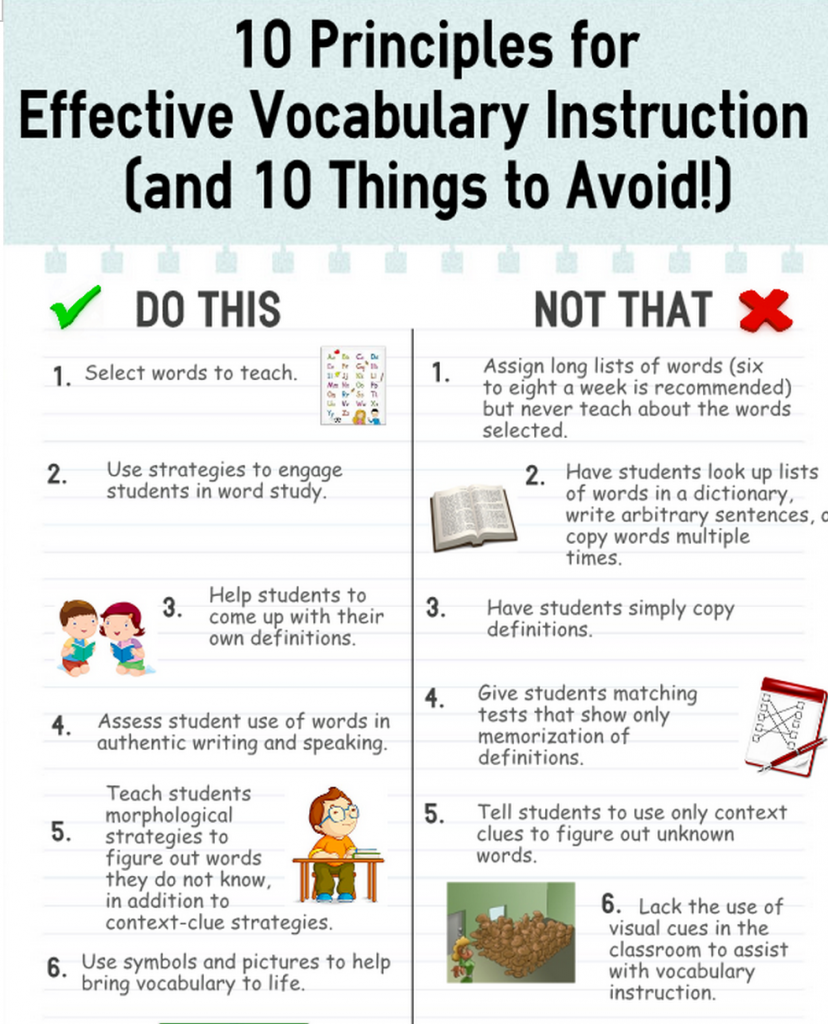
2. Use a dictionary and thesaurus: Keep a dictionary and thesaurus handy whenever you read or write. Whenever you come across a word you don’t know, look it up in the dictionary to learn its meaning and usage. A thesaurus can help you find synonyms and antonyms, expanding your vocabulary even further.
3. Practice with word games: Word games such as crossword puzzles, Scrabble, and word search puzzles can be a fun way to learn new words and improve your vocabulary. These games challenge your mind and help you remember words more effectively. You can also try vocabulary-building apps and online quizzes to test your knowledge.
4. Engage in conversations: Talking to others is a great way to practice using new words in context. Try to have meaningful conversations with friends, family, or colleagues where you can use and learn new vocabulary. Listening to others speak can also expose you to new words and expressions.
5. Keep a vocabulary journal: Start a vocabulary journal where you can write down new words, their meanings, and example sentences. Review your journal regularly to reinforce your learning and track your progress. You can also make flashcards or create mnemonic devices to help you remember new words more effectively.
By incorporating these strategies into your daily routine, you can gradually expand your vocabulary and become a more articulate and confident communicator. Remember that developing vocabulary takes time and practice, so be patient with yourself and stay consistent in your efforts. With dedication and perseverance, you can continue to build your vocabulary and improve your language skills.